




Mohanna: Lebanon Today Needs the Support of Its Friends and a Revival of Its Role
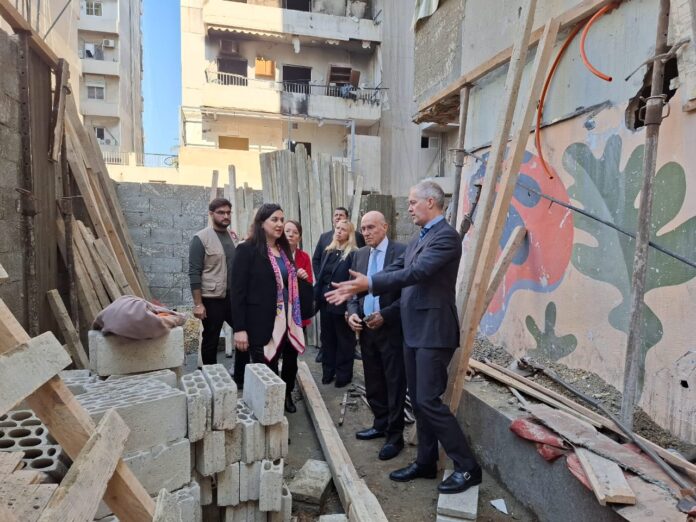
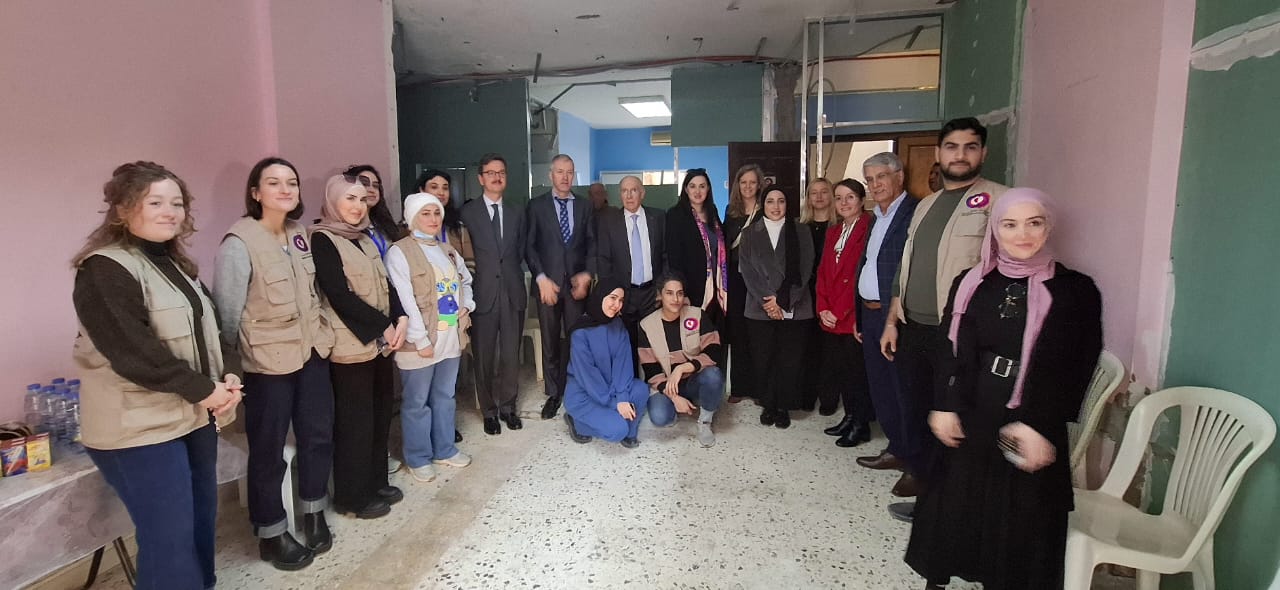
The Belgian Ambassador to Lebanon, Mr. Arnaud Pauwels, accompanied by a delegation from the Belgian Ministry of Foreign Affairs, visited two Amel Association International centers in Chiyah (the Bashar Mouhanna and Moslem Aqil Center) and Haret Hreik. The delegation included François Cornet d’Elzius, Ambassador and Head of the Middle East and Africa Division; Ambassador Brigitte Stevens, Director of International Relations; Chargé d’Affaires Pierre-Louis Renard; and Embassy Attaché Eulalie. They were welcomed by Amel’s President, Dr. Kamel Mohanna, board member Dr. Zeina Mohanna, Health Program Director Marion Faber, Youth Empowerment Program Manager Hoda Khattoun, and the teams overseeing both centers.
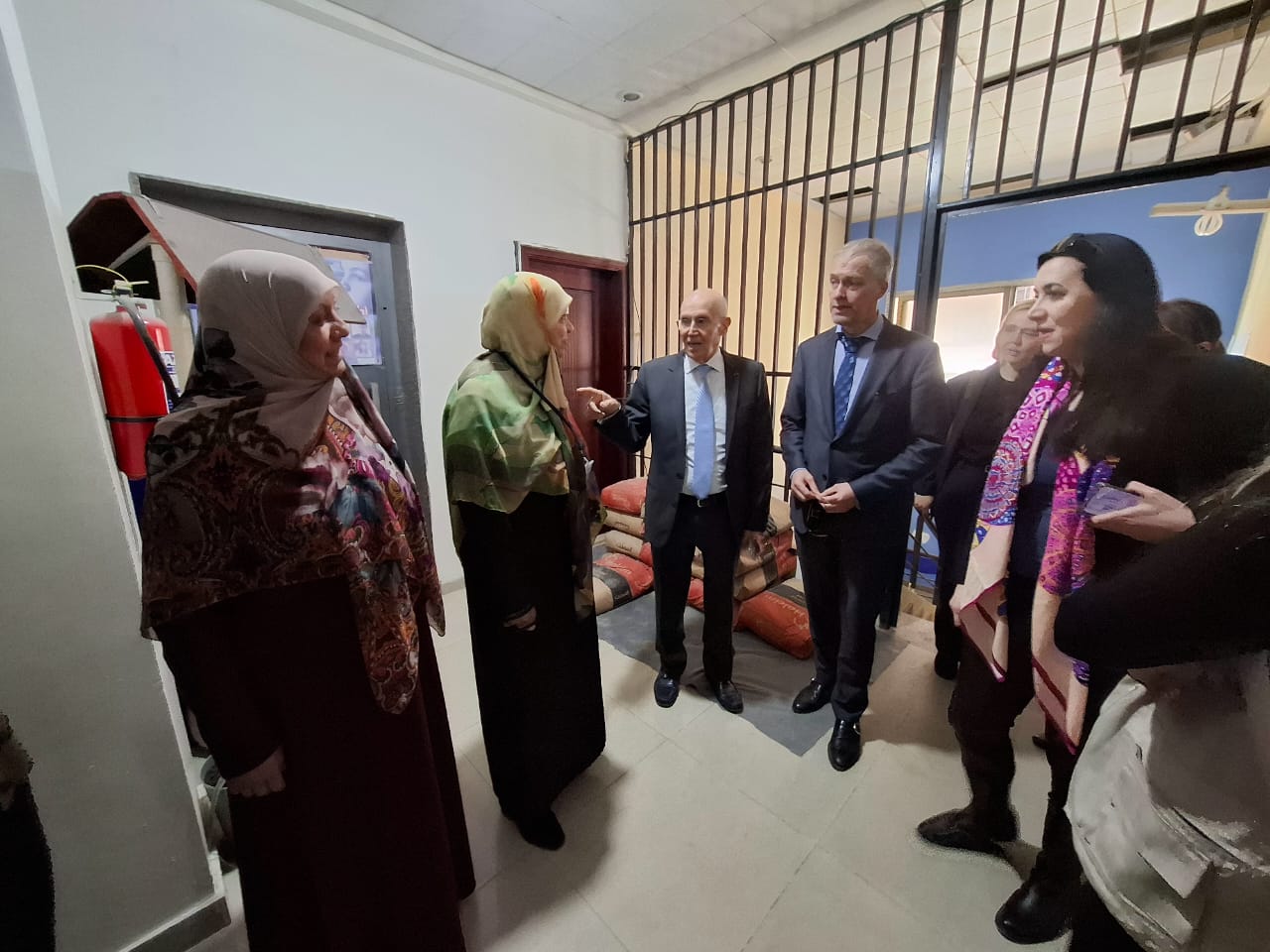
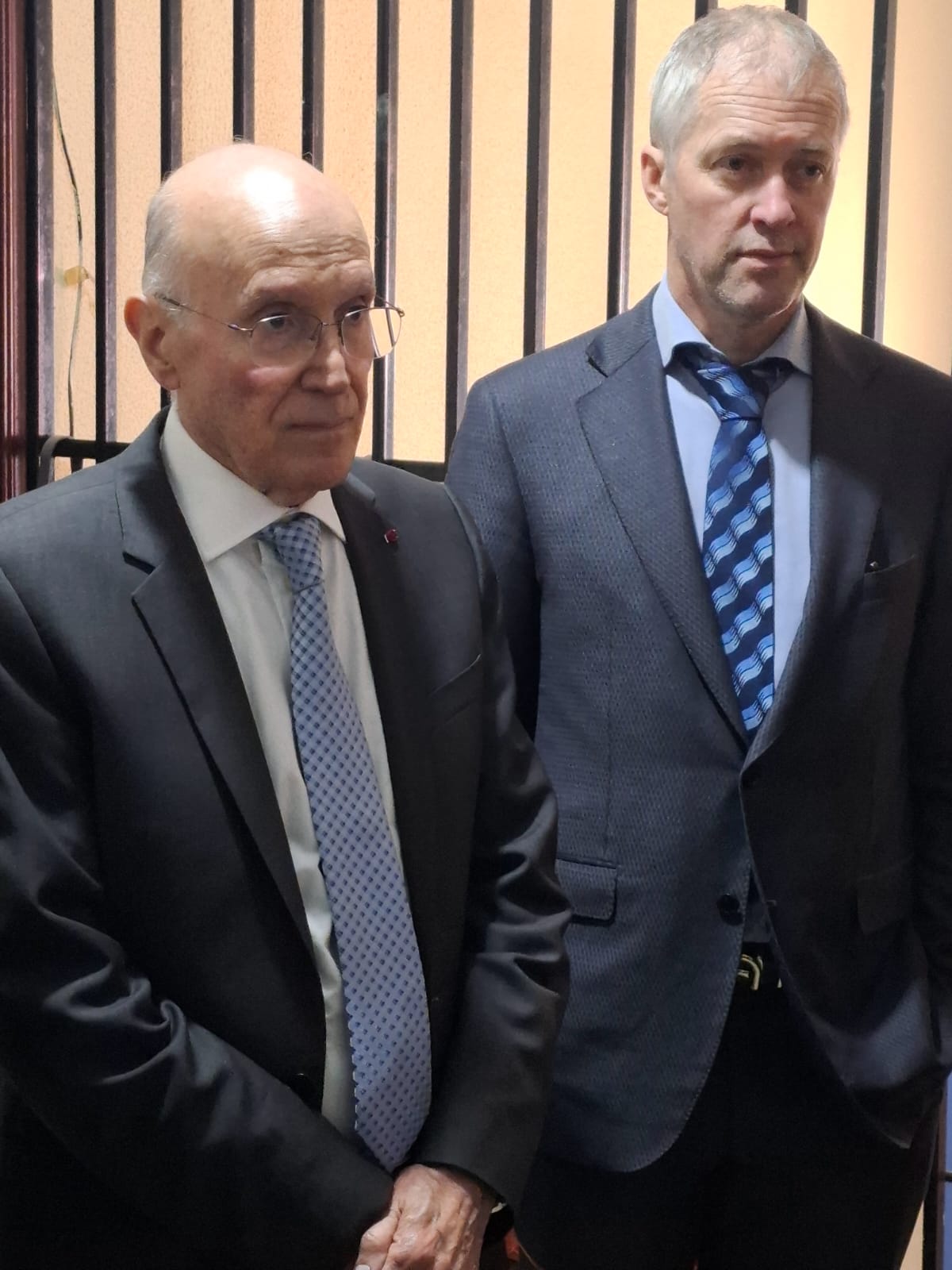 The visit aimed to assess the condition of the two centers, which were impacted by shelling during the recent war on Lebanon, particularly the Chiyah Social Development Center, located near buildings that were directly targeted. These centers are among the key safe spaces where Amel implements empowerment programs for thousands of beneficiaries in partnership with numerous organizations, with Belgium at the forefront.
The delegation began their tour at the “Martyrs Bashar Mohanna and Moslem Aqil Center – Chiyah,” which recently underwent extensive repairs due to war-related damage. The center has resumed its activities, including the “Amel School for Migrant Worker Empowerment,” youth support and empowerment programs, and psychosocial support sessions for women and girls. During the visit, staff members shared their experiences with enthusiasm, reaffirming their belief in Amel’s mission to uphold human dignity and rights, especially in times of crisis. They also outlined the growing challenges faced by the local community, including increased social and health needs amid the country’s deteriorating conditions.
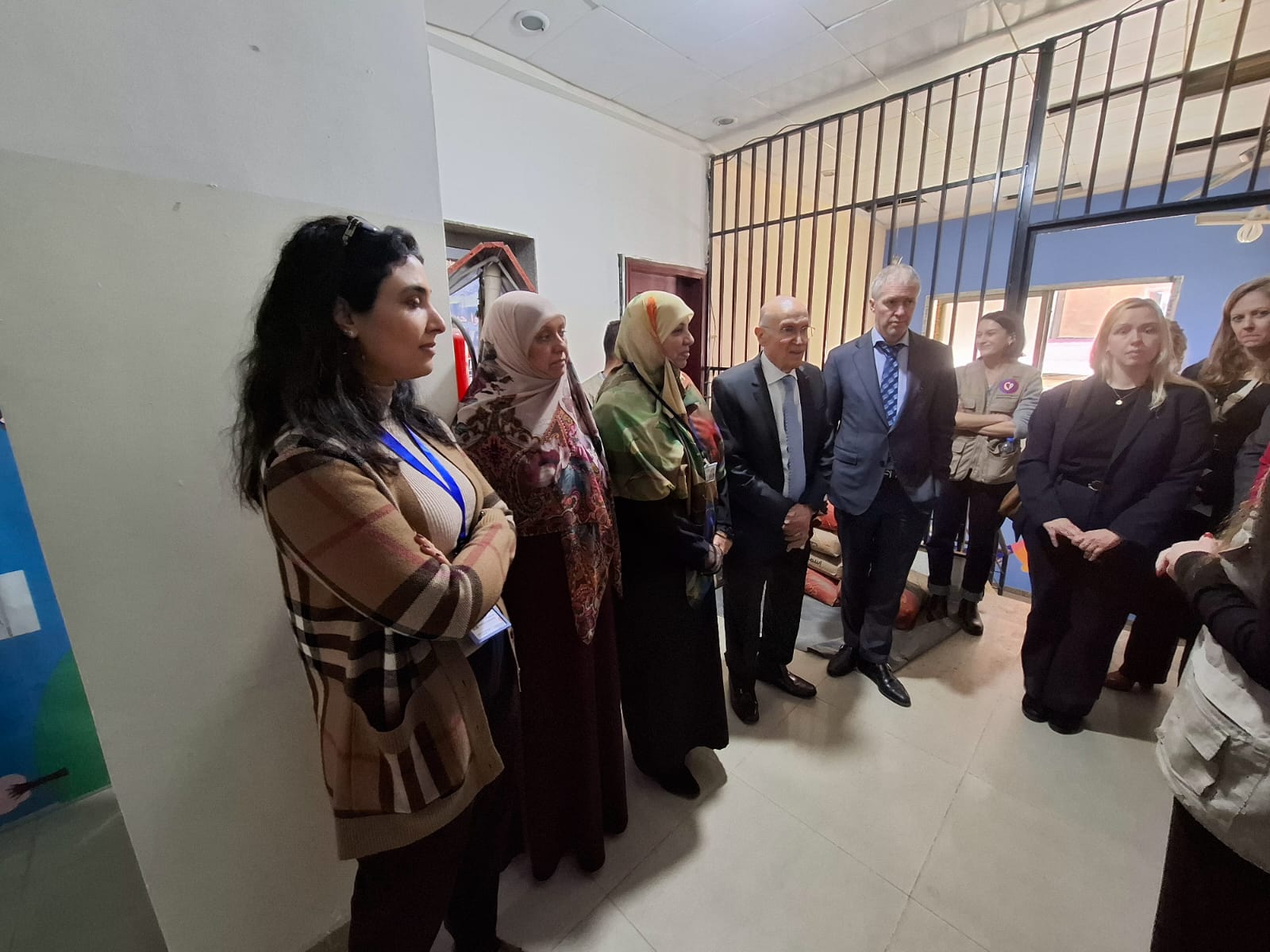 The second stop was at the Haret Hreik Health and Social Development Center, a four-story facility serving tens of thousands annually through primary healthcare, vocational training, awareness and protection programs, and educational support. The delegation reviewed the operations of various departments, discussed program performance and the growing demand for services, and emphasized that crises—especially during wartime—amplify the needs of marginalized groups, requiring sustained support regardless of circumstances.
The delegation also visited classrooms and empowerment sessions, engaging with children and participants in various activities. The children and youth shared their dreams and aspirations, expressing how these safe, nurturing spaces enable them to learn and grow despite the many challenges they face.
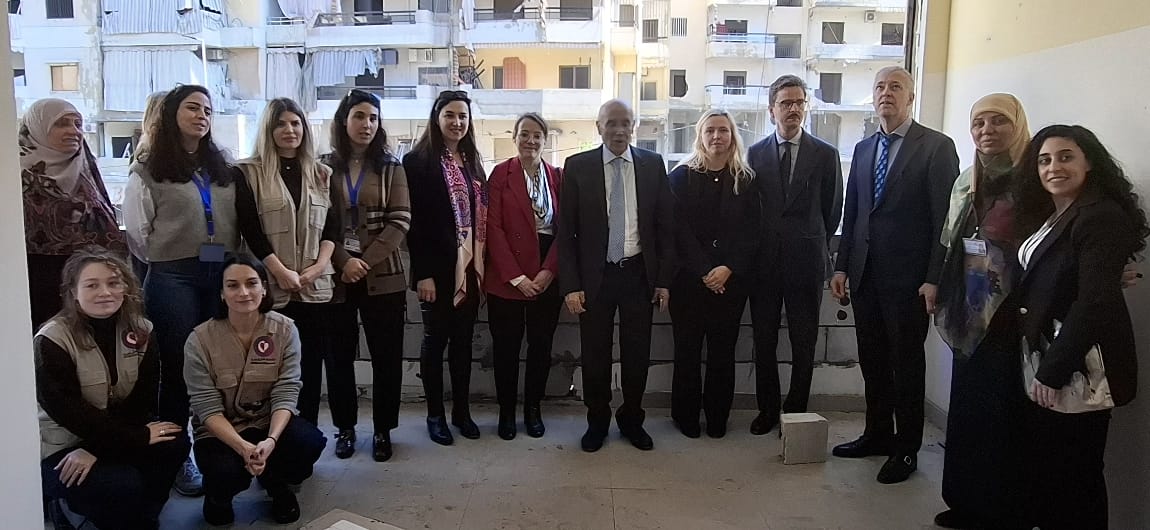 Dr. Kamel Mohanna welcomed the Belgian delegation and expressed gratitude for Belgium’s solidarity with the Lebanese people and its support for humanitarian programs addressing fundamental needs. He stated, “Justice for people is not a solo mission—it’s a collective endeavor that requires unified global efforts. In a time when international agreements are violated and double standards prevail, Amel remains more committed than ever to its duties toward people and their dignity.”
He continued, “The moral failure of many nations and international actors only strengthens our resolve to fight for a world free of subjugation and oppression. What’s happening in Gaza is a threat to all humanity and a blatant violation of international law—something we must all stand against.”
Dr. Mohanna concluded by highlighting Amel’s national impact: over 2,300 staff and volunteers working across Lebanon through 40 centers, 24 mobile clinics, and a wide range of development and rights-based programs. “Amel is a microcosm of the Lebanon we aspire to—a country that achieves miracles with limited resources and remains a beacon of hope and humanity for the region.”
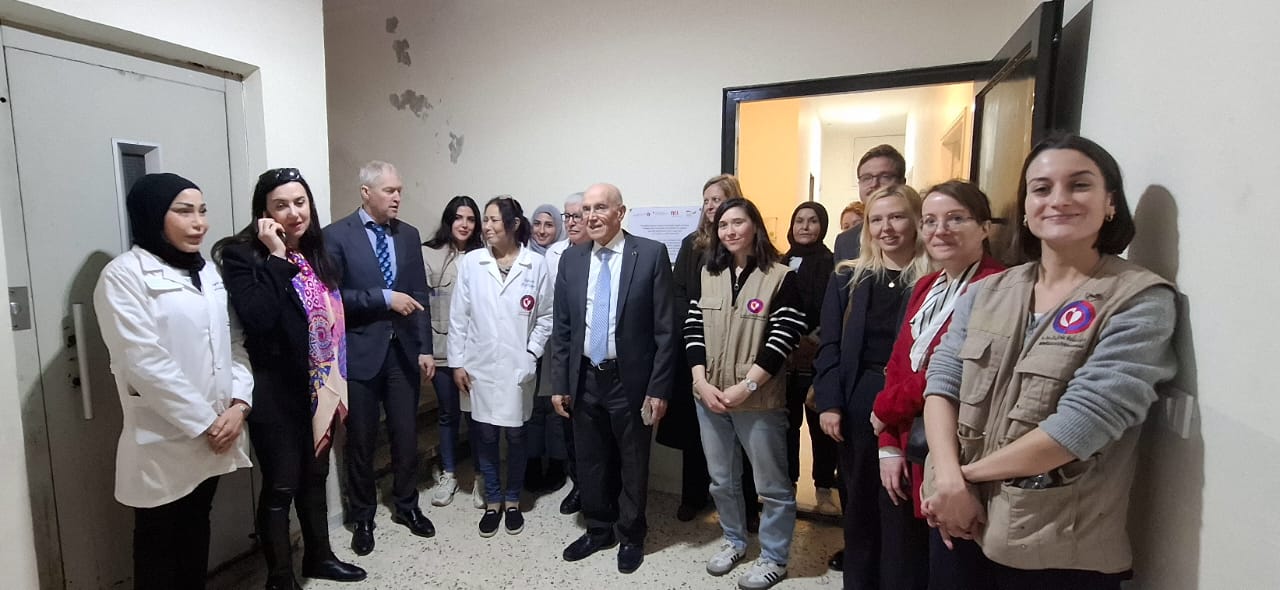 For her part, Brigitte Stevens from the Belgian Ministry of Foreign Affairs praised Amel’s inclusive and dignified approach. She commended the organization’s unwavering commitment to its mission under the most difficult circumstances, affirming Belgium’s continued support for those who champion human rights and work toward a better world.
Ambassador Pauwels echoed her sentiments, lauding Amel’s vital presence in underserved communities, particularly during crises like the one Lebanon has recently endured. He described Amel’s model—its community-rooted presence, its distinguished and committed personnel, and its state-of-the-art facilities and empowerment programs—as a remarkable achievement. “We would love to see similar centers in our own country—places staffed by such high-quality professionals and equipped with the tools to empower people, regardless of their backgrounds.”

 Creative Commons Attribution 4.0 International license


