



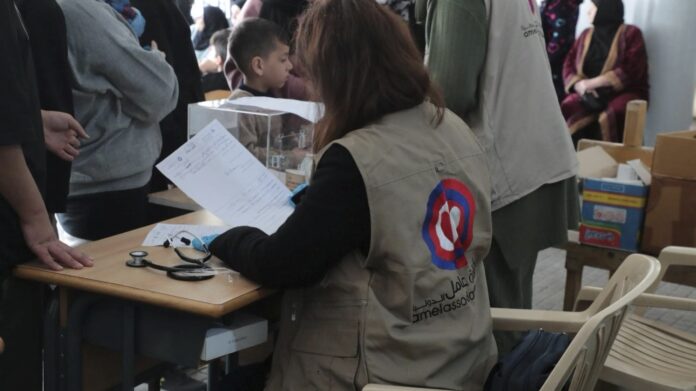
Lebanon is facing a rapidly escalating humanitarian crisis, with over 1.2 million people displaced and thousands of families struggling to access basic services, safety, and dignity. One month into the conflict, the situation continues to deteriorate, placing immense pressure on already fragile systems and communities across the country.
According to the latest Amel Situation Report (March 2026) , widespread displacement, destruction of infrastructure, and severe access constraints have created urgent humanitarian needs across all sectors.
A Nation Under Strain
The impact of the crisis is profound:
More than 1.2 million people displaced
Over 1,300 people killed and 4,000 injured
15% of Lebanese territory under evacuation orders
Nearly 90% of displaced populations living outside collective shelters
Entire communities have been cut off from essential services due to the destruction of key infrastructure, particularly in southern Lebanon. Over 150,000 people in Tyre and surrounding areas remain isolated from humanitarian assistance and supply routes.
Families are living in makeshift shelters, overcrowded collective centers, or even in their cars, often without adequate sanitation, food, or medical care. Seasonal rains have further worsened conditions, increasing health risks and deepening vulnerability.
A Nationwide Emergency Response
In response, Amel Association International activated a nationwide emergency plan, mobilizing its network of 40 centers and mobile units to deliver life-saving assistance across all eight governorates.
From 2 to 31 March 2026:
54,937 people reached
170 sites covered
21,354 health services delivered
13,868 medical consultations conducted
17,734 individuals supported through protection services
4,553 relief items distributed
Amel’s response combines fixed primary healthcare centers with Mobile Medical Units, ensuring outreach to displaced populations both inside and outside shelters, particularly those hardest to reach.
Delivering Dignity Through Multi-Sectoral Support
Amel’s intervention is built on a multi-sectoral approach, integrating health, protection, education, and relief distribution.
Health
Amel continues to provide comprehensive primary healthcare services, including:
Medical consultations and medication distribution
Sexual and reproductive health services
Vaccinations and referrals
Mental health and psychosocial support
Protection
Protection teams are delivering:
Psychosocial support and awareness sessions
Gender-based violence prevention and response
Child protection activities and case management
Emergency cash assistance for vulnerable families
Distribution
Relief efforts prioritize the most vulnerable, reaching over 5,200 individuals with:
Hygiene kits and dignity items
Food parcels and bedding supplies
Assistive devices and specialized items for older persons
Notably, 75% of distributions were conducted directly in households, addressing the needs of displaced populations outside formal shelters.
Focusing on the Most Vulnerable
Amel places particular emphasis on groups facing heightened risks:
- Children: Over 3,100 children reached through education and recreational activities
- Older persons: Targeted outreach addressing mobility and healthcare barriers
- Persons with disabilities: Dedicated support and assistive devices
- Pregnant and lactating women: Specialized maternal and infant care services
This inclusive approach ensures that no one is left behind in the response.
Mounting Challenges
Despite ongoing efforts, critical challenges persist:
- The majority of displaced individuals remain outside collective shelters, making outreach more complex
- Shortages of food, hygiene items, and essential medicines
- Limited access to high-risk and conflict-affected areas
- Insufficient funding to sustain and scale operations
Addressing these gaps requires urgent and coordinated support from the international community.
Scaling Up for Impact
Amel is working to expand its response to reach up to 100,000 people per month, strengthening both distribution networks and health outreach capacity. Planned actions include:
- Expanding Mobile Medical Units to underserved areas
- Increasing shelter coverage as access improves
- Reinforcing protection and mental health services
- Launching a nationwide social stability campaign to promote cohesion and resilience
A Story of Hope
Behind the numbers are human lives.
Dalal, a displaced mother of six, recalls the fear of watching her child struggle to breathe in a shelter. After receiving a breathing device from an Amel health team, her son’s condition improved dramatically.
“He can breathe. He can sleep. And I can finally breathe too.”
For Dalal, this was more than medical assistance, it was a moment of hope restored.
A Call for Solidarity
Lebanon stands at a critical juncture. The scale of needs continues to grow, and sustained humanitarian support is essential to prevent further deterioration.
Amel Association International calls on partners, donors, and the international community to scale up support, ensure access to aid, and uphold the dignity and rights of all affected populations.

 Creative Commons Attribution 4.0 International license


