





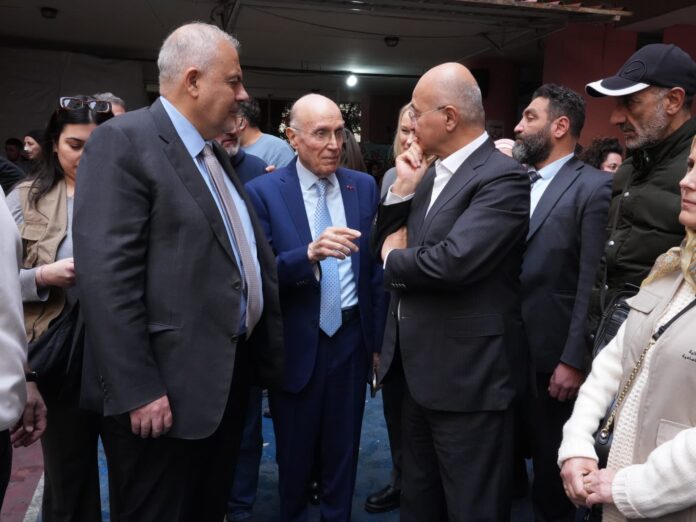
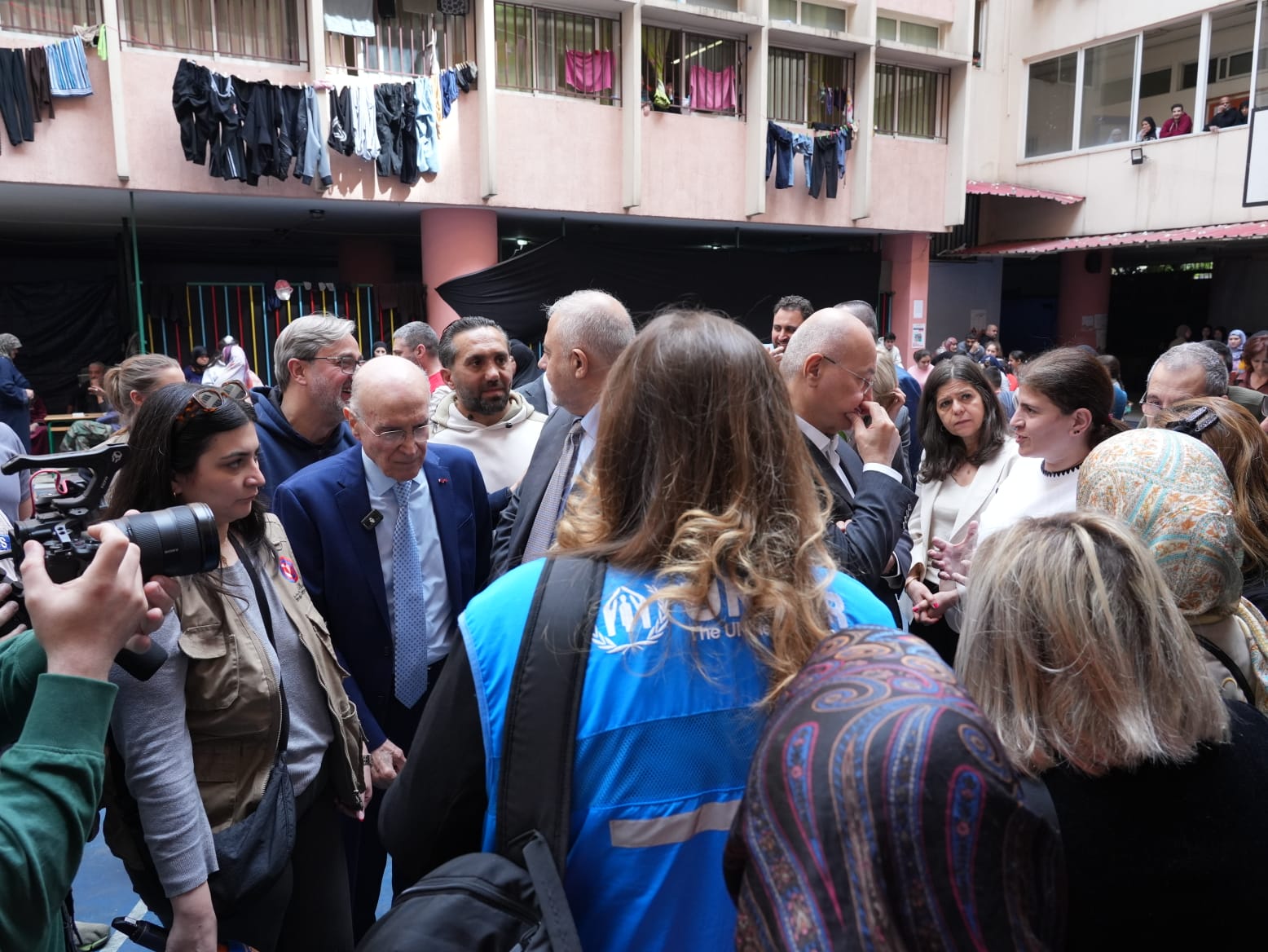
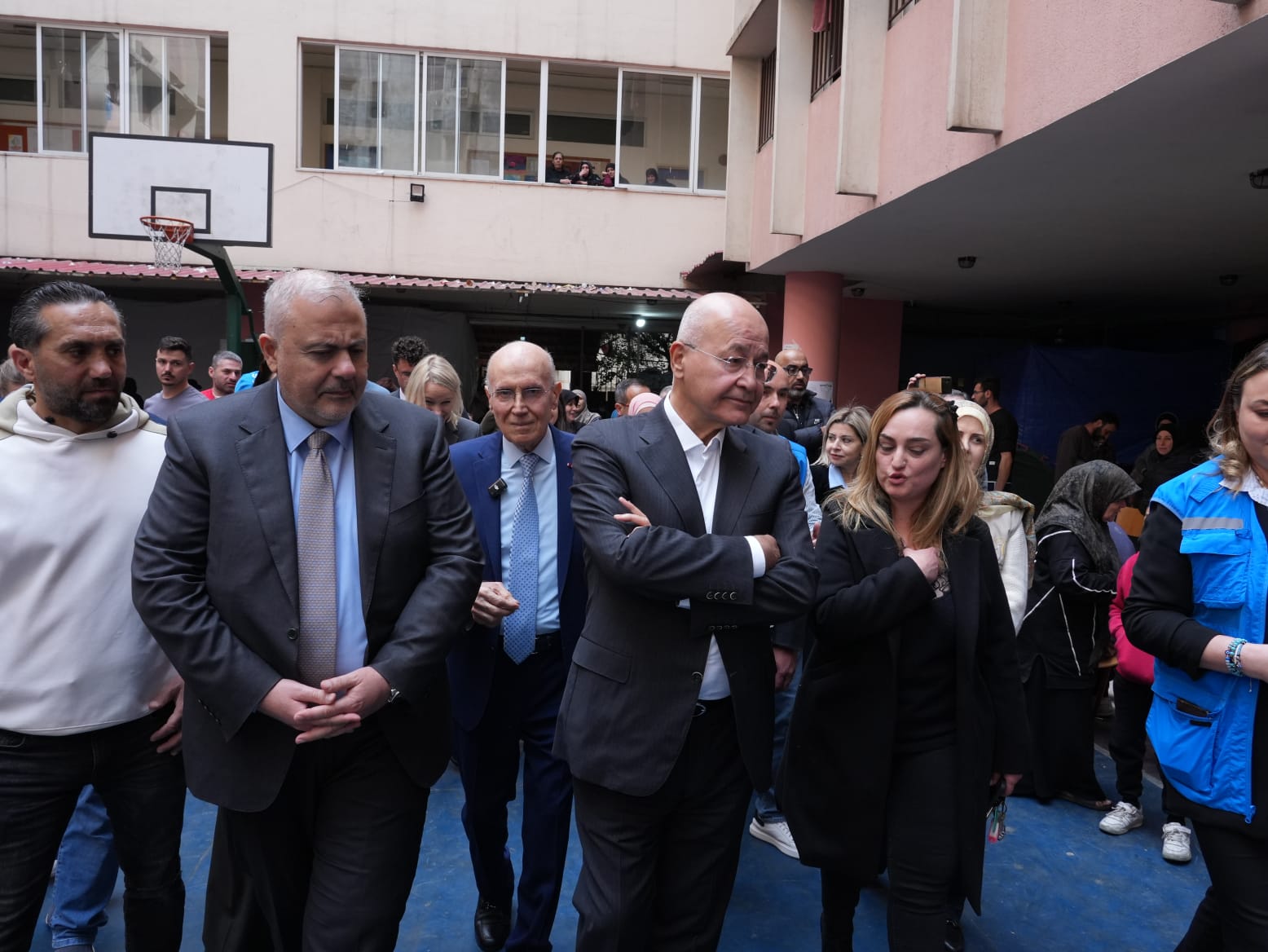
The United Nations High Commissioner for Refugees, Barham Salih, visited yesterday the Second Public Girls’ School in Msaytbeh, which has been converted into a shelter for displaced persons following the escalation of Israeli attacks on Lebanon. The site is one of 690 shelters that have been opened, hosting a total of 141,613 displaced individuals and 37,349 families, according to data issued by the Disaster Risk Management Unit at the Grand Serail as of 15 April 2026.
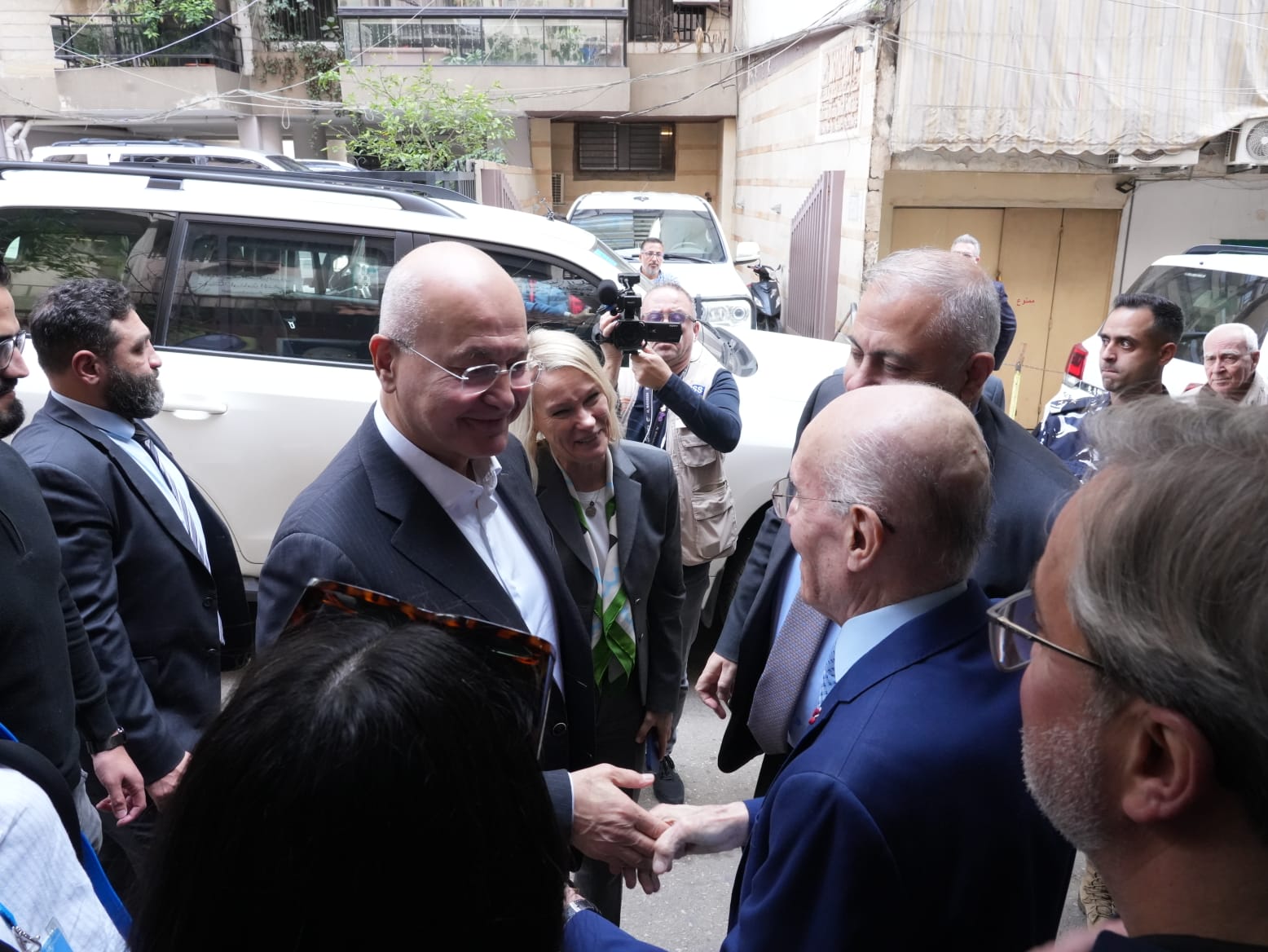
The High Commissioner was accompanied by a delegation from UNHCR, including Carolina Lindholm Billing, UNHCR Representative in Lebanon, and Galiya Gubaeva, Head of the Mount Lebanon and South Field Office. The visit was also attended by Beirut Governor Judge Marwan Abboud, President of Amel Association International Dr. Kamel Mohanna, Ministry of Social Affairs representative Dr. Ola Botros, and a team of staff members from the organization.
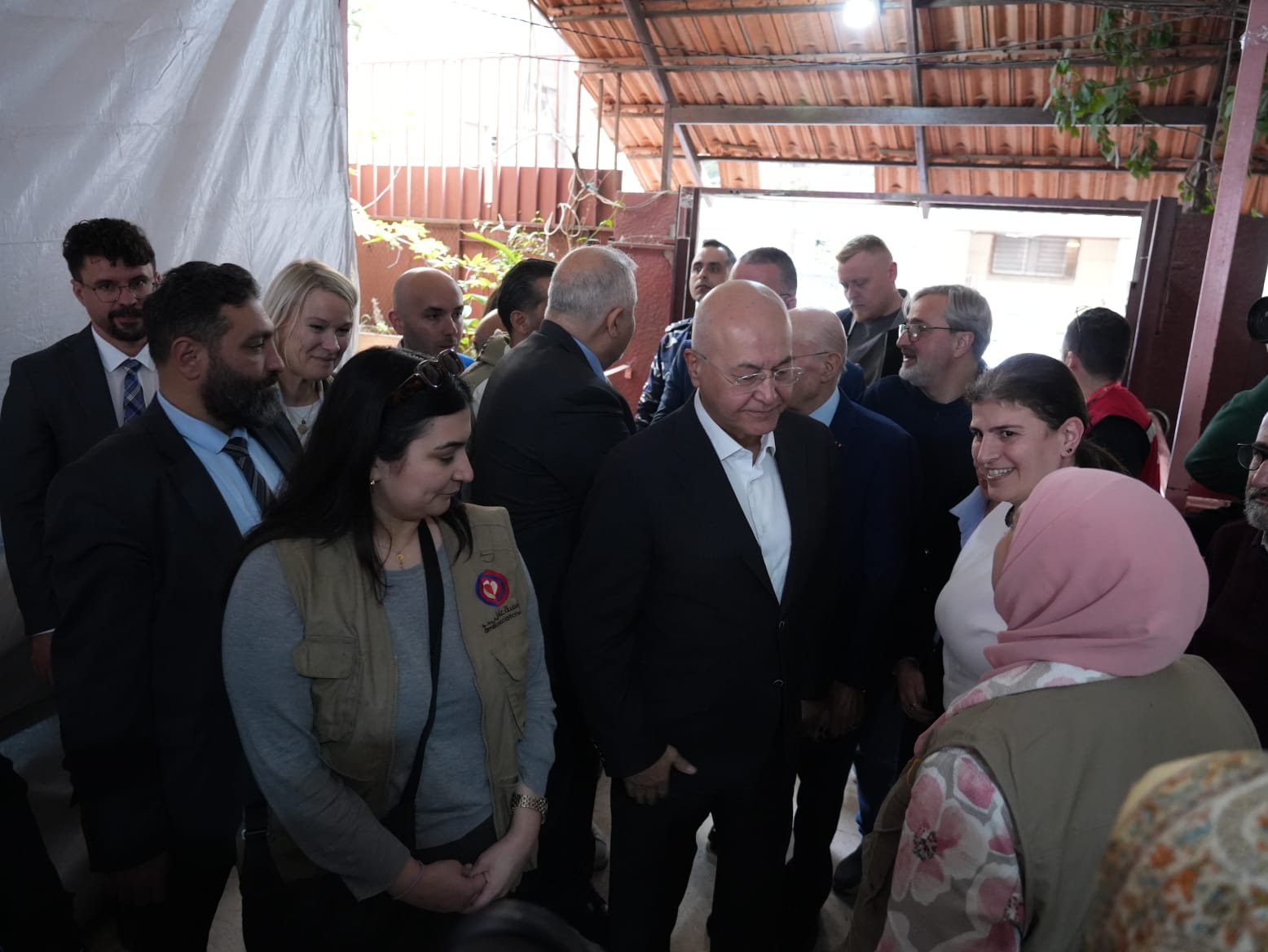
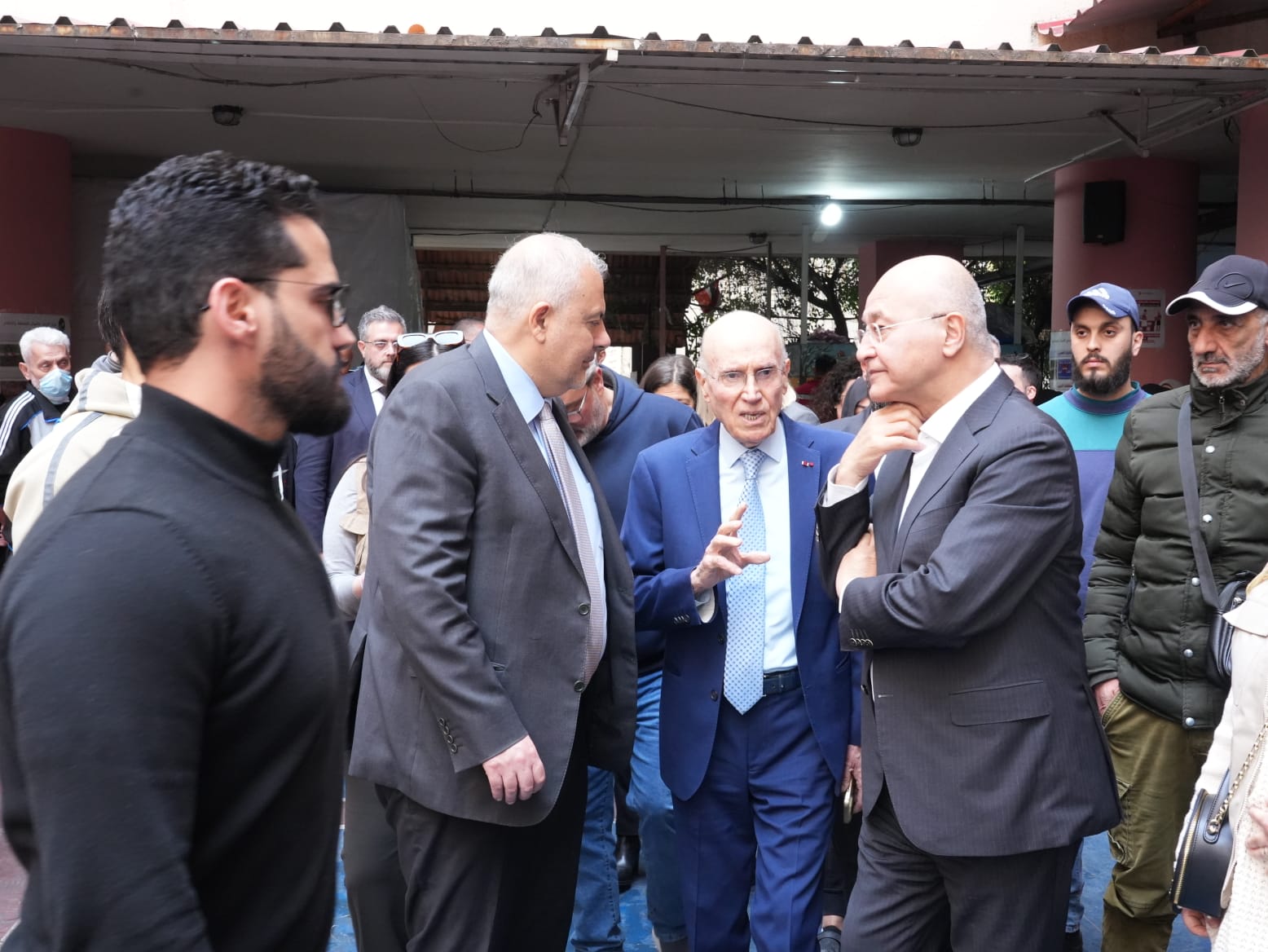 During the visit, the delegation reviewed the efforts of Amel Association International under difficult living conditions within shelters, where displaced persons face daily challenges related to overcrowding, inadequate infrastructure, and a lack of basic services, particularly in health, water, sanitation, and protection, in addition to increasing psychological pressures resulting from displacement and loss of stability. The delegation also heard firsthand testimonies from displaced families, who expressed their struggle to secure the most basic necessities of life and their ongoing concern about the future in the absence of sustainable solutions.
Amel Association International plays a central role in this context, operating in more than one hundred shelters, in addition to its fixed primary healthcare centers and mobile clinics deployed across various regions of Lebanon. Through these, it supports displaced populations with primary healthcare, protection services, and psychosocial support, placing it at the forefront of the humanitarian response.
 In his remarks during the visit, High Commissioner Salih commended the solidarity and cohesion among the various components of Lebanese society, as well as humanitarian and governmental institutions. He expressed hope for a near end to Lebanon’s tragedy, which weighs heavily on the conscience of the world, and affirmed that UNHCR will continue to support Lebanon and stand by it until it is able to endure, recover, and rebuild.
For his part, Governor Abboud thanked the United Nations for standing by Lebanon, both as a state and as a people, stressing that Lebanon cannot face this catastrophe alone, as the needs far exceed the capacities of any single entity.
Carolina Lindholm Billing, UNHCR Representative in Lebanon, stated that “the scale of needs exceeds available resources, which calls for urgent strengthening of international support and intensified coordination with local partners who play a critical role in reaching affected communities. Ensuring dignified shelter conditions is not merely a matter of service delivery, but a fundamental commitment to safeguarding human dignity and rights.”
Dr. Mohanna described the situation as one of Lebanon’s most critical moments, where overlapping crises are placing immense pressure on communities. He noted that what is being witnessed in shelters is not just numbers, but human stories that reflect both suffering and resilience. He stressed that human dignity must remain the guiding principle of all interventions and that the suffering of displaced persons must not become a permanent reality. He added: “At Amel, we believe that working with people and for people is the true pathway to change. We are mobilizing all our capacities to strengthen their resilience. However, the scale of challenges requires collective responsibility and genuine partnership among all stakeholders, as protecting people is the foundation of protecting society.”

 Creative Commons Attribution 4.0 International license


