




Education
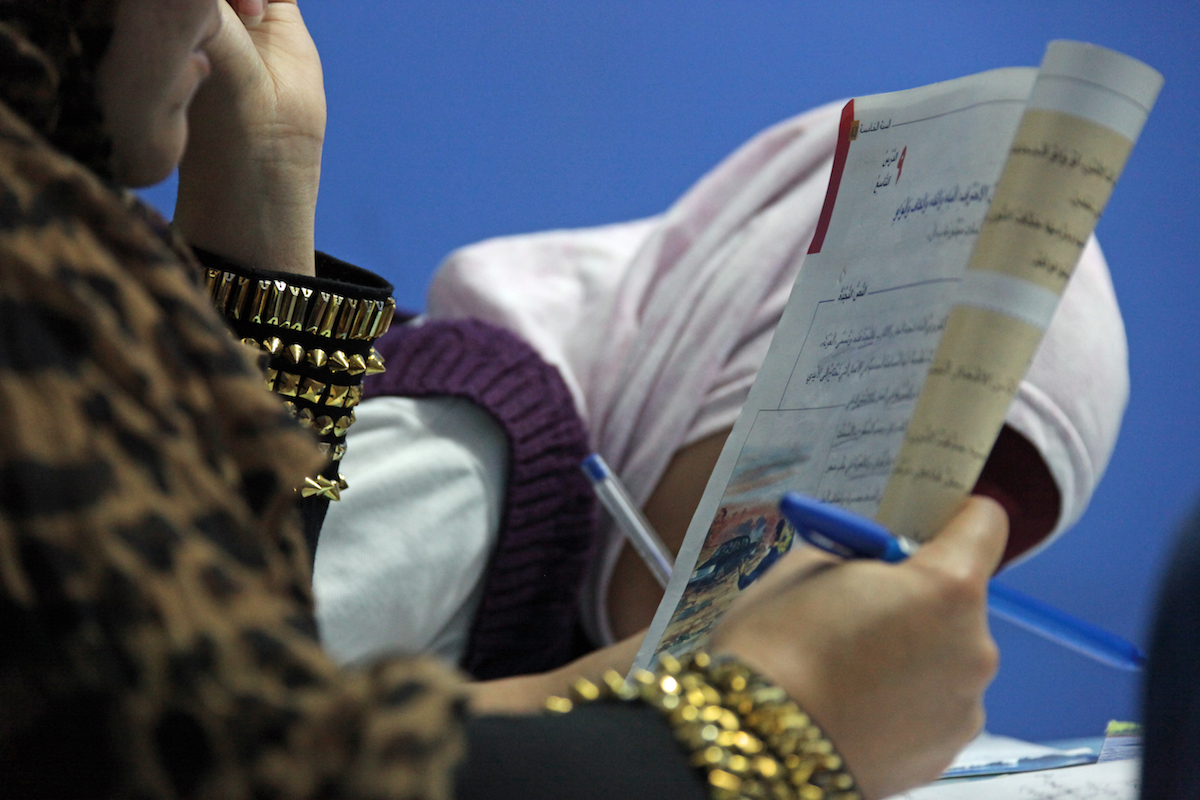
Amel Association International supports vulnerable children and youth to access learning, protection, psychosocial support, life skills, and pathways back into formal education.
Education as a Pathway to Dignity and Stability
Through mobile education, non-formal learning, remedial support, psychosocial care, and community engagement, Amel helps children affected by poverty, displacement, and crisis remain connected to education and hope.
Needs
- Over 700,000 children are estimated to be out of school or at risk of dropping out due to poverty, displacement, and crisis.
- Refugee children face major barriers to formal education.
- Public schools face double shifts, overcrowding, and limited absorption capacity.
- Prolonged crises have caused significant learning loss, especially in literacy and numeracy.
- Psychosocial distress affects concentration, retention, and academic performance.
Programme Approach
Amel combines education, protection, psychosocial support, life skills, parental awareness, and referral services to support children’s learning, wellbeing, and reintegration into education pathways.
Key Interventions
Mobile Education Units
Deploying Mobile Education Units to reach remote, underserved, and crisis-affected communities.
Non-Formal Education and Remedial Classes
Supporting out-of-school and at-risk children through learning activities that strengthen literacy, numeracy, and school readiness.
Accelerated Learning Programmes
Facilitating reintegration into formal schools through structured learning support and transition pathways.
Early Childhood Education
Strengthening foundational literacy, numeracy, social skills, and early learning readiness.
Psychosocial Support and Life Skills
Integrating psychosocial support, life skills, civic engagement, and social cohesion sessions into educational activities.
Parental Awareness and Referrals
Conducting parental sessions on dropout, child labour, and early marriage risks, while referring children and families to protection, health, and social services when needed.
Impact
- Thousands of children are supported annually to remain in or return to education pathways.
- Improved literacy and numeracy outcomes among programme participants.
- Increased enrolment and transition rates into formal schooling.
- Reduced dropout and protection risks among vulnerable children.
- Enhanced psychosocial well-being and classroom engagement.
- Strengthened social cohesion between Lebanese and displaced communities.
- Education is positioned as a long-term pathway to dignity, stability, and active citizenship.

 Creative Commons Attribution 4.0 International license

