




Amel Association International supports vulnerable individuals, women, youth, refugees, and host communities to build skills, access income opportunities, launch small businesses, and move toward self-reliance.
Pathways to Economic Resilience
In a context of economic collapse, unemployment, inflation, and reduced household income, Amel’s livelihood programming combines training, entrepreneurship, employability support, and community-based economic empowerment.
Needs
- Since 2019, Lebanon’s economic crisis has pushed over 80% of the population into multidimensional poverty.
- Unemployment has increased, especially among youth and women.
- Informal and precarious work has become increasingly common.
- Currency devaluation and inflation have eroded household incomes.
- Syrian refugees face limited legal access to formal employment.
- Vulnerable individuals lack vocational training, startup capital, and market access.
- Women and youth face structural barriers to economic participation.
Community-Based Model
Activities are implemented through Amel’s community development centers across Lebanon, ensuring inclusive, accessible, and locally rooted economic empowerment.
Key Interventions
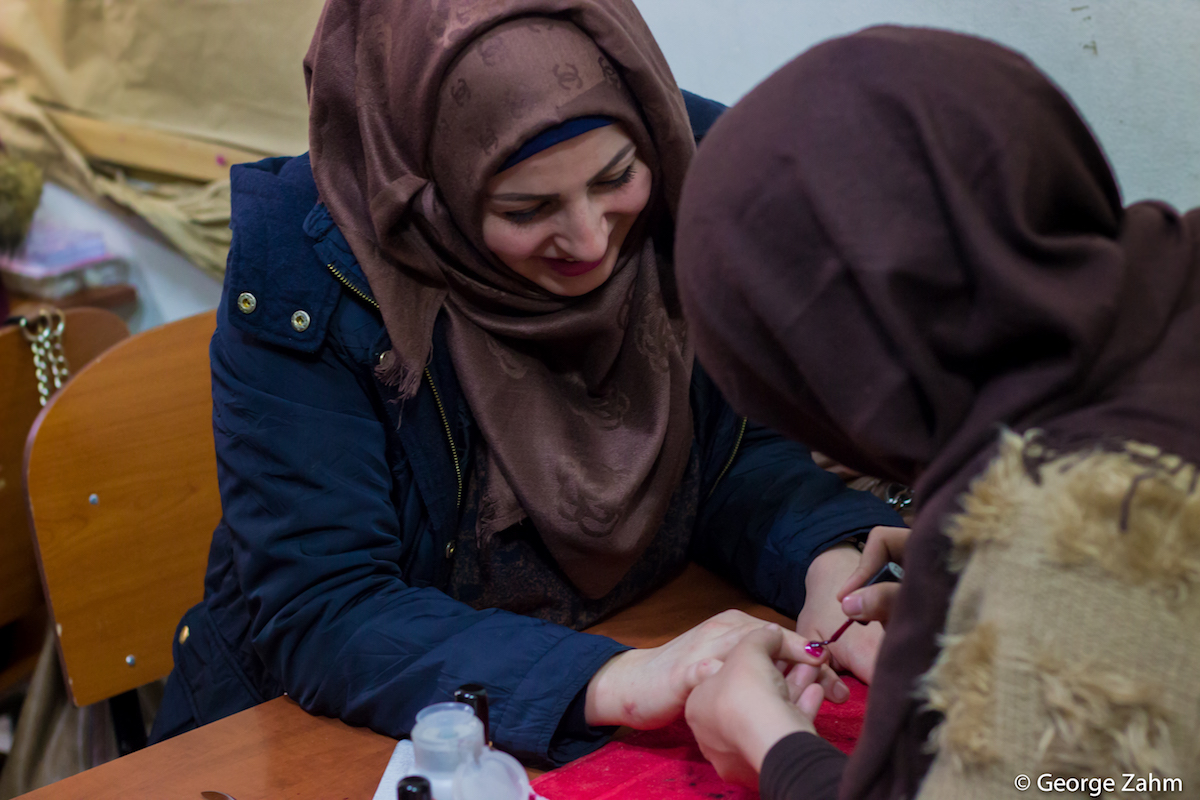
Vocational and Technical Training
Market-aligned training is combined with life skills, digital skills, and psychosocial support to strengthen readiness for work or self-employment.
Entrepreneurship Support
Business development training, coaching, and mentoring help participants design, launch, and strengthen income-generating activities.
Small Grants and In-Kind Support
Participants receive support to launch or expand micro-enterprises and improve income stability.
Cash-for-Work Programmes
Short-term income generation activities support vulnerable households while contributing to community needs.
Job Placement and Employability Support
CV writing, interview preparation, and employment guidance help participants access job opportunities and improve professional readiness.
Financial Literacy and Inclusive Participation
Budgeting, savings, and business sustainability training are combined with targeted support for women and youth to promote inclusive economic participation.
Impact
- Increased household income and financial stability among vulnerable families.
- Creation and strengthening of micro and small enterprises.
- Improved employability and job placement rates for youth and women.
- Enhanced economic independence of women, reducing vulnerability to exploitation and GBV risks.
- Strengthened community resilience through local job creation and skills development.
- Reduced reliance on humanitarian assistance as beneficiaries transition toward self-reliance.

 Creative Commons Attribution 4.0 International license

