







Amel Association | Our History
Our history

From Emergency Solidarity to Global Humanitarian Leadership

Since 1979, Amel Association has evolved through four major phases, responding to urgent needs while building a long-term movement for dignity, citizenship, justice and international solidarity.

Amel Association's early humanitarian work during the Lebanese civil war
Phase One

Establishment Phase

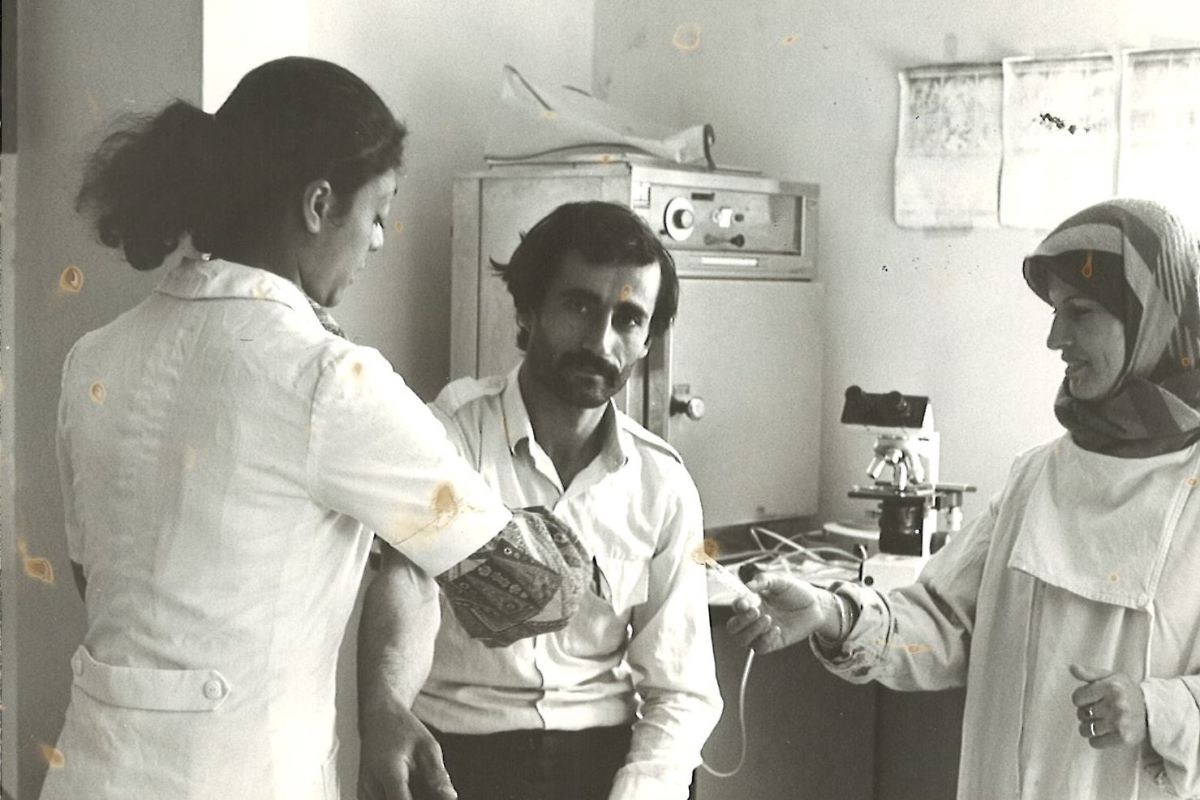
During the civil war, the mission of the non-sectarian civil association Amel focused on saving lives, providing emergency services and standing in solidarity with all individuals, regardless of their affiliation.

This work was carried out alongside the establishment of development and empowerment programs for women and youth, as well as campaigns for social peace, an end to the civil war and the protection of social cohesion.
Amel Association community development and empowerment activities Development
Phase Two

Development Phase

This era was marked by the expansion of Amel’s development and empowerment programs to larger segments of society, additional regions and new areas of specialization.

Amel contributed to rural development at multiple levels while launching social initiatives that consolidated the concept of citizenship, promoted a positive culture in society and strengthened the role of civil society in supporting public policies.

Amel Association international partnerships and global engagement International Growth
Phase Three

International Growth

At this stage, Amel gained recognition for its efforts and its contribution to advocating for fair human causes on important international platforms, while representing Lebanese civil society in international forums.

It also began expanding its global activities and partnerships under the slogan “Partners, not Guardians.”

Amel Association humanitarian solidarity and refugee response Global Leadership
Phase Four

Humanitarian Resistance Leadership Phase

Amel launched a global humanitarian solidarity movement, the Euro-Mediterranean Movement of Solidarity with Persons in Exile, while transferring its experience internationally and establishing branches in Europe and the United States.

This era was also marked by Amel’s contribution, together with its partners, to responding to the refugee crisis in Lebanon. These efforts led to Amel’s nomination for the Nobel Peace Prize.