



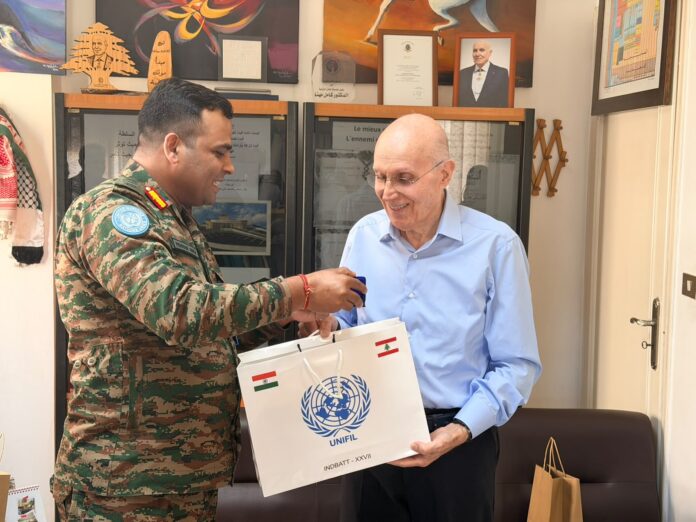
Mohanna: UNIFIL’s continued humanitarian and development role is essential to supporting the resilience of local communities
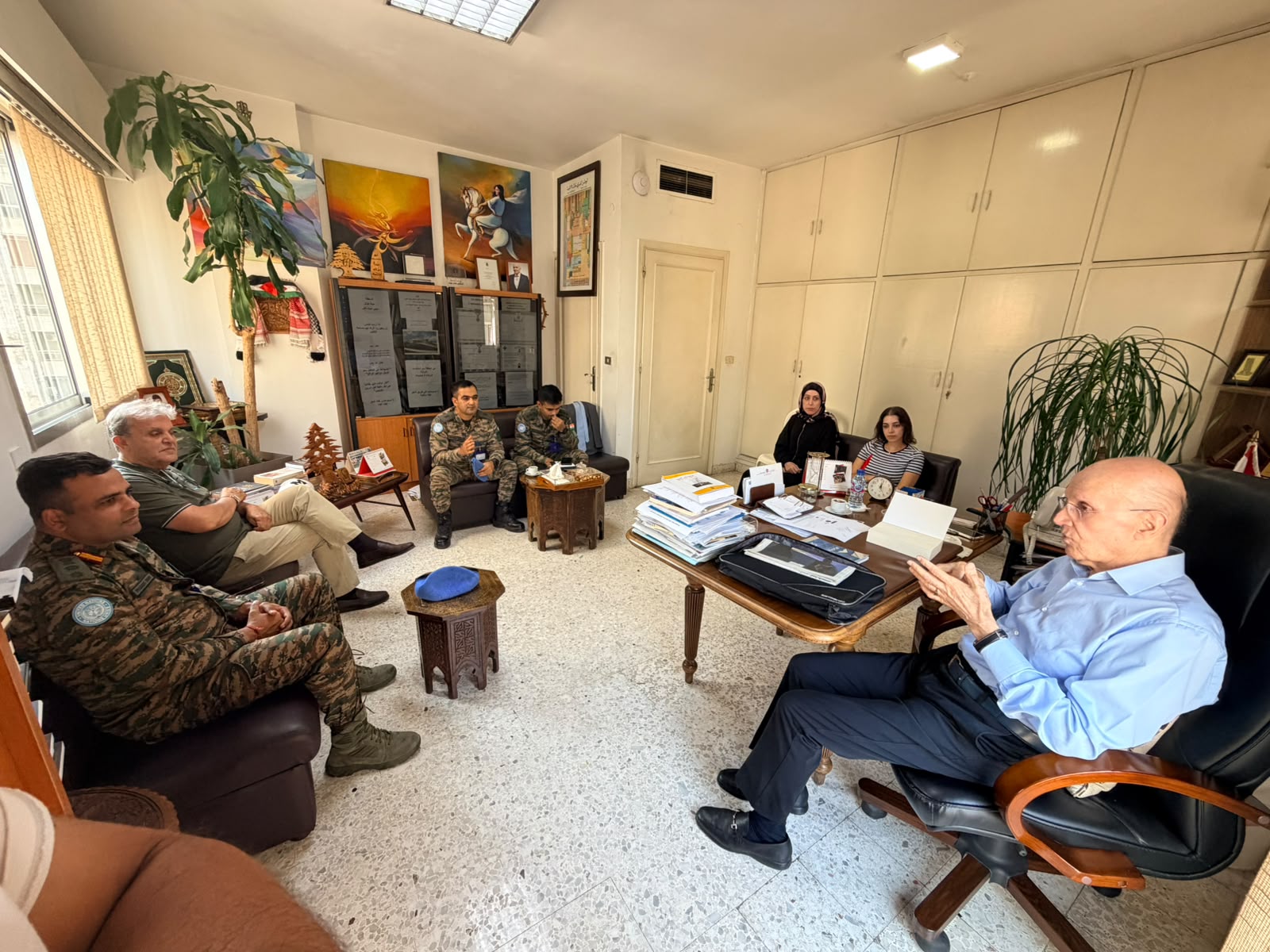
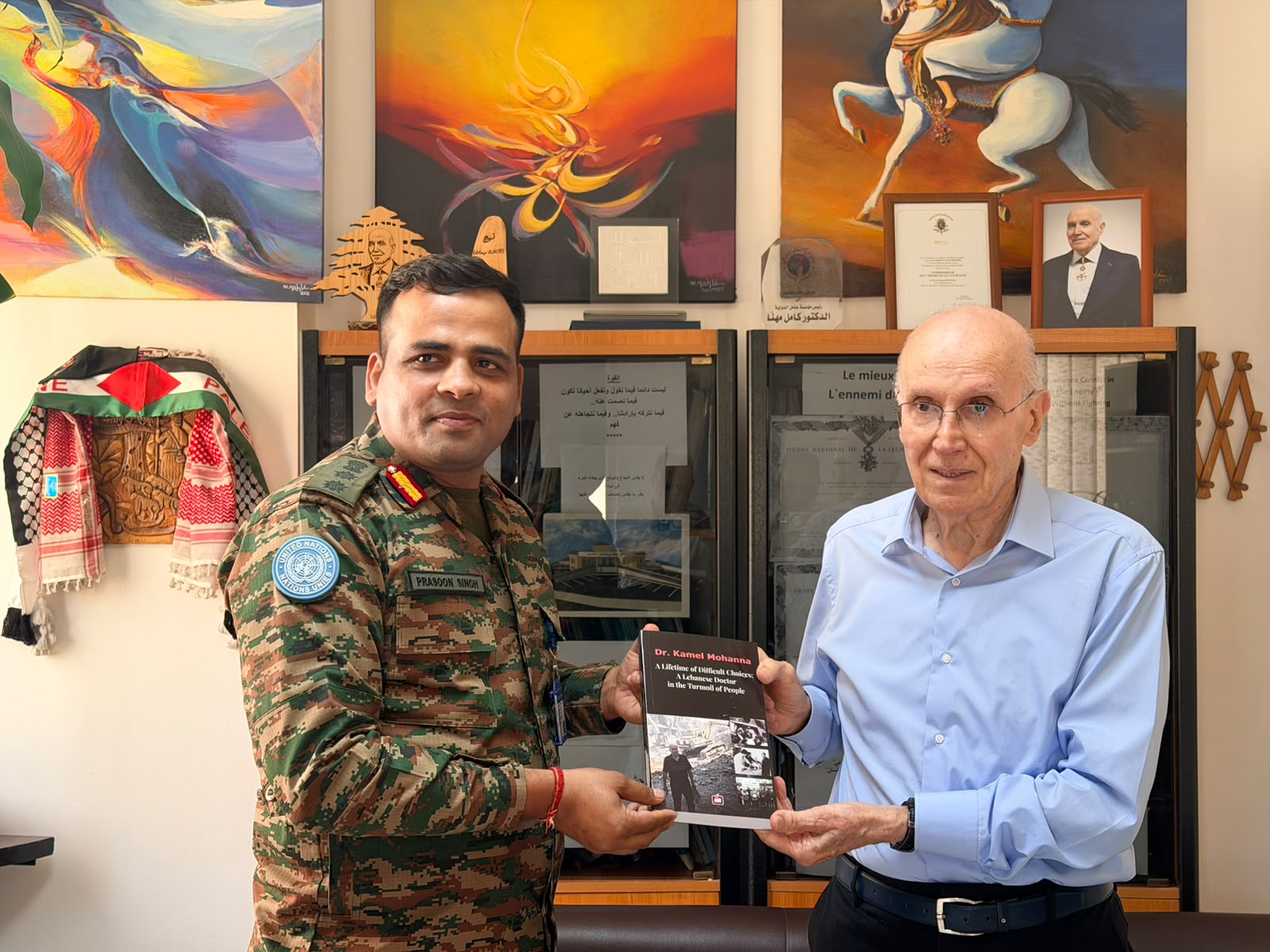
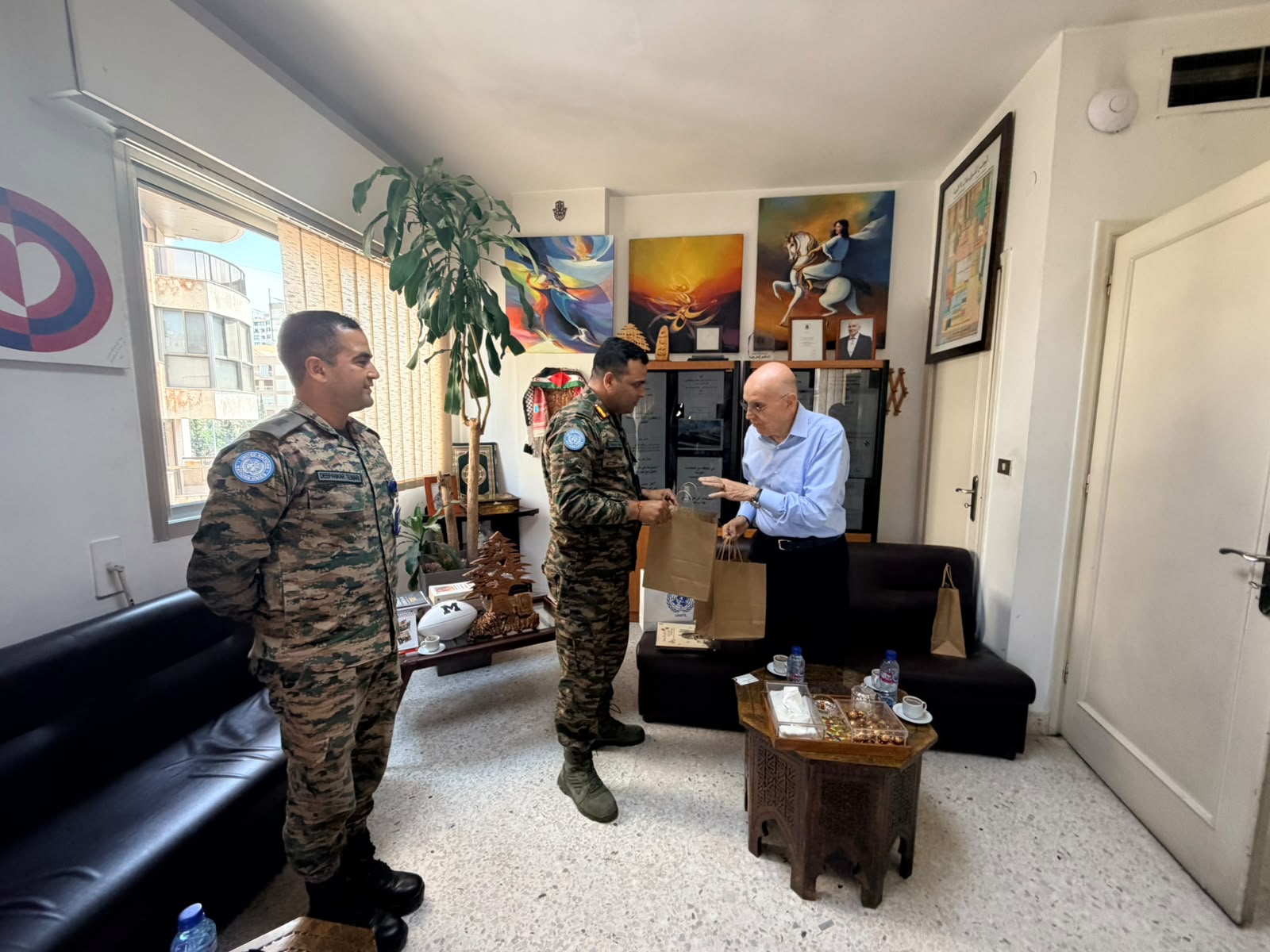
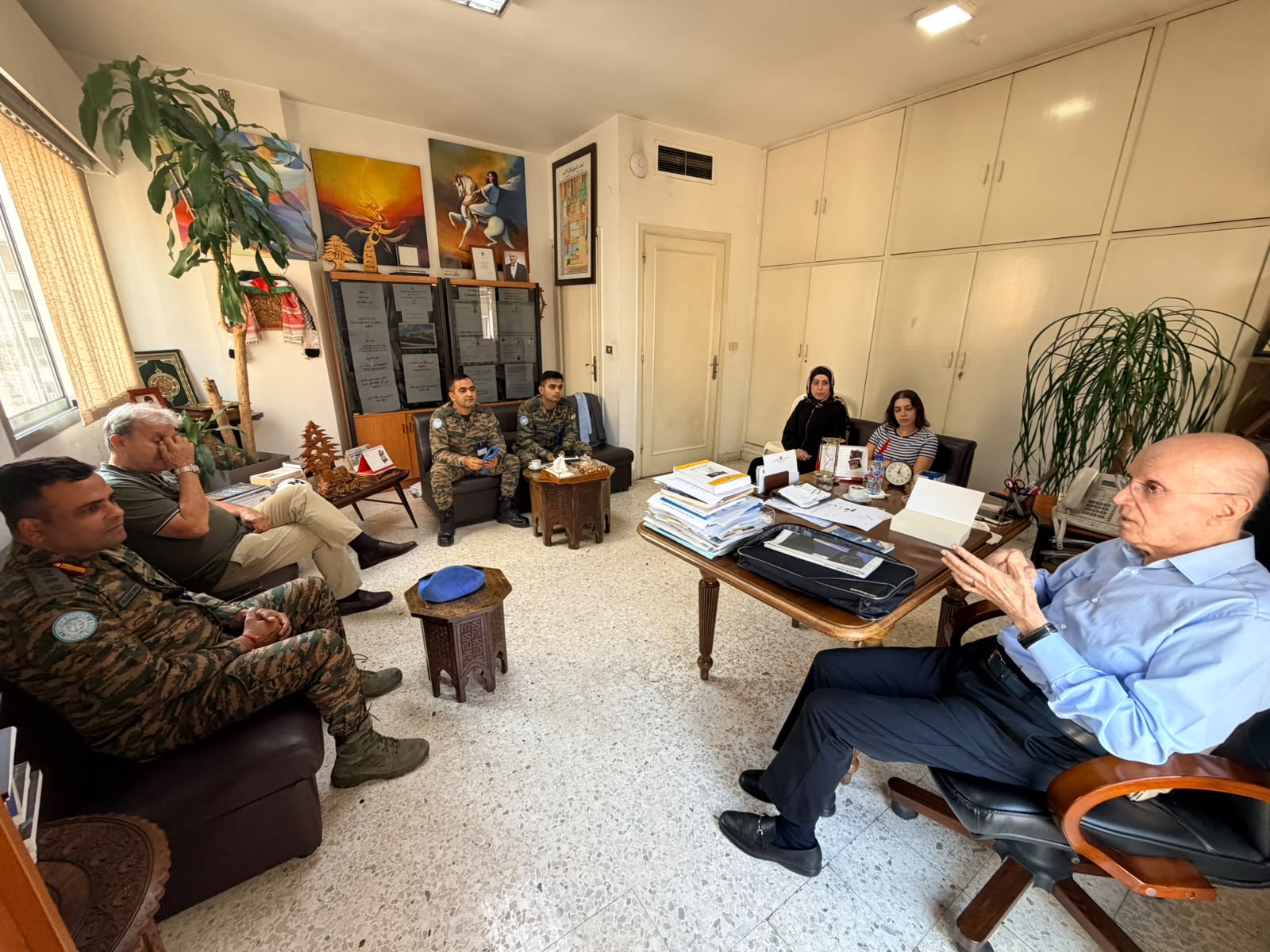
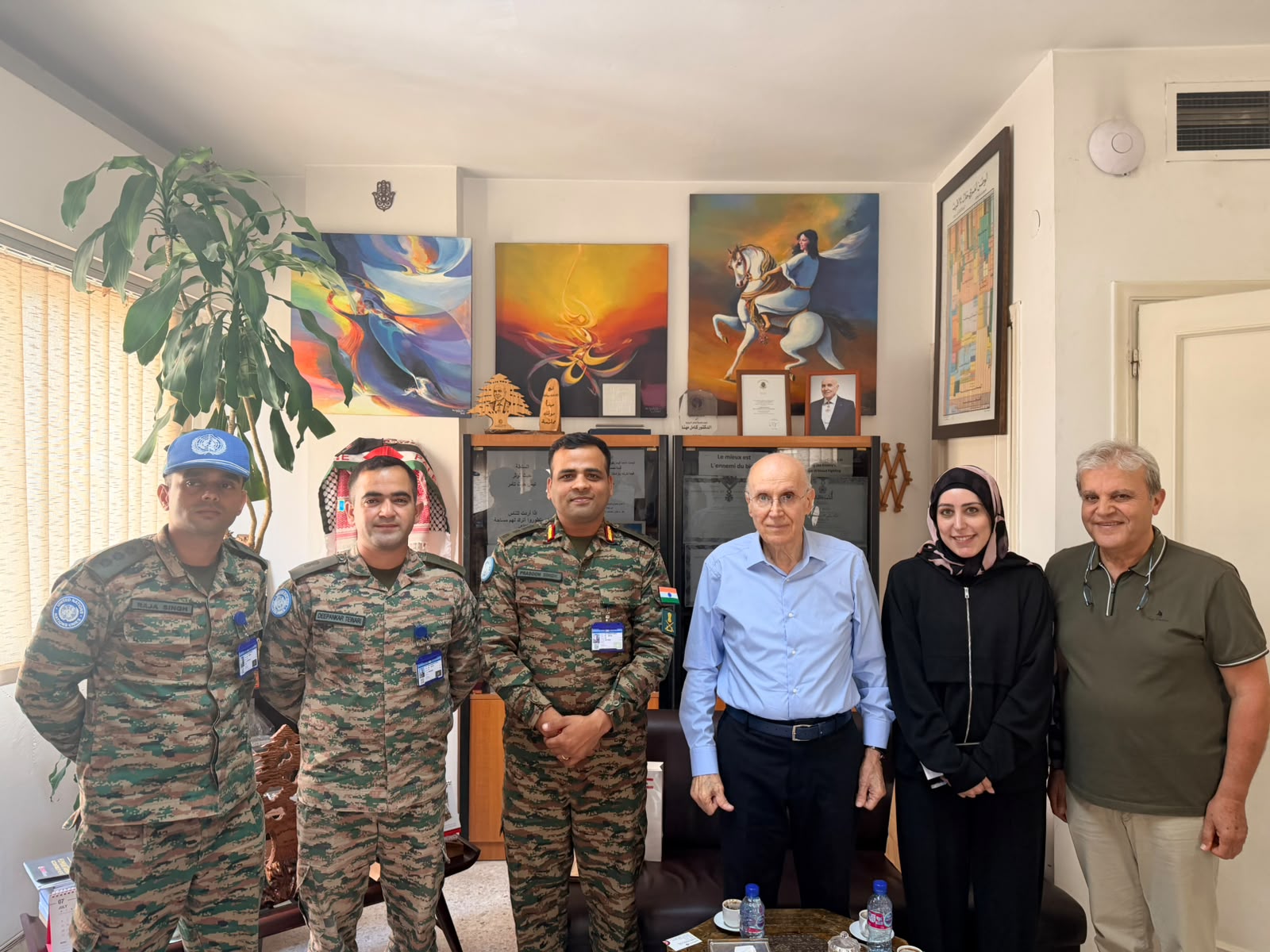
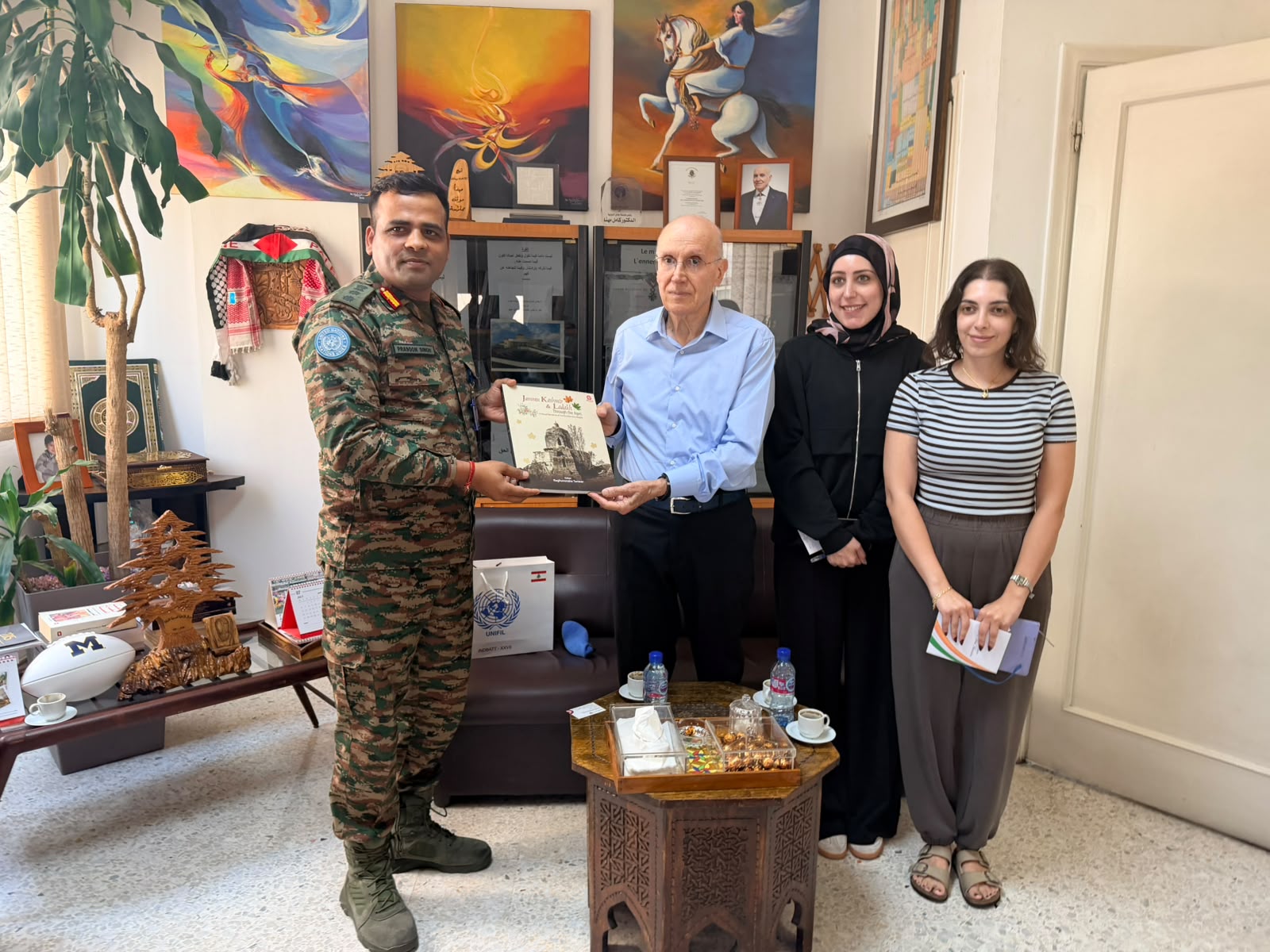
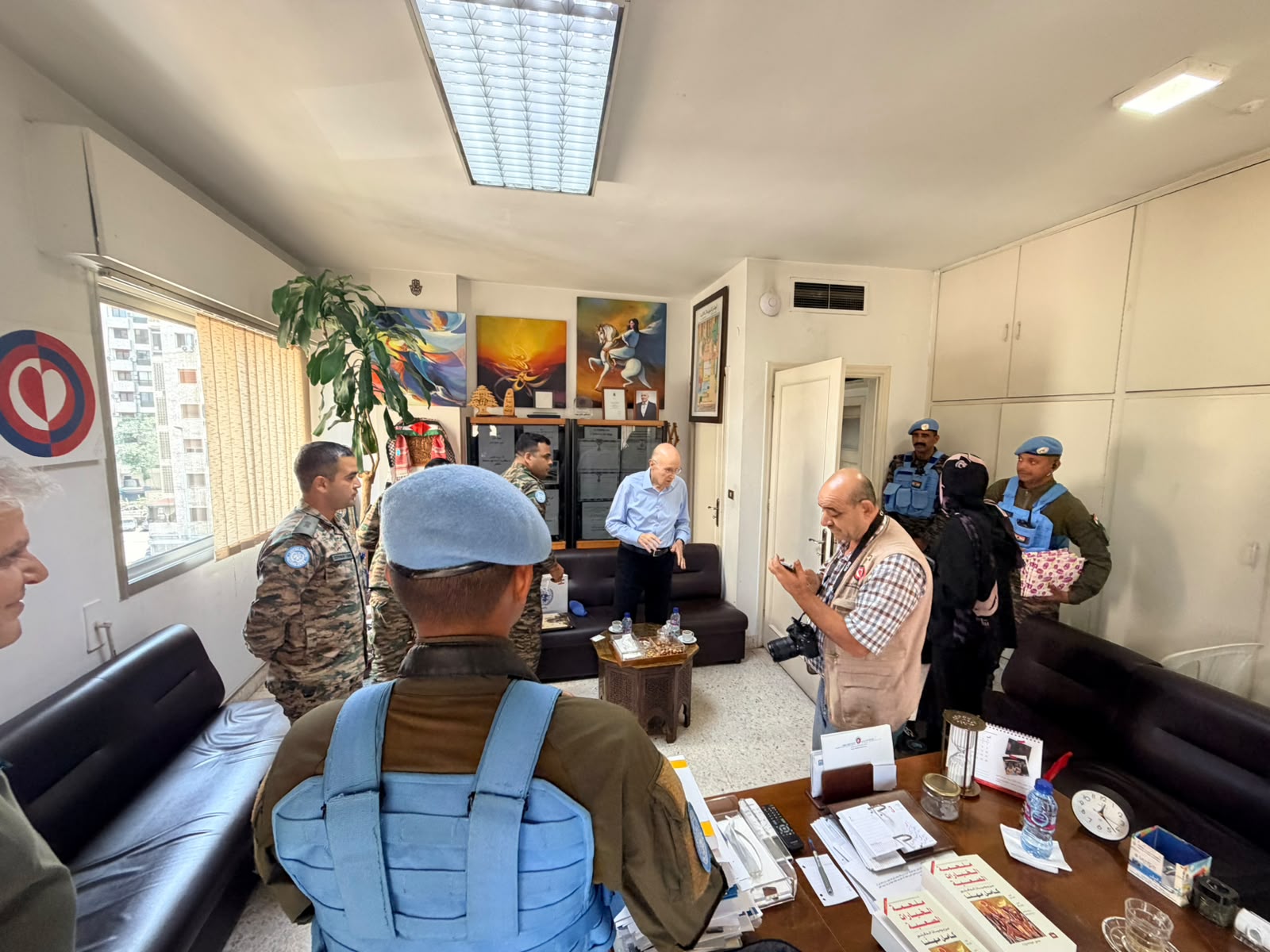
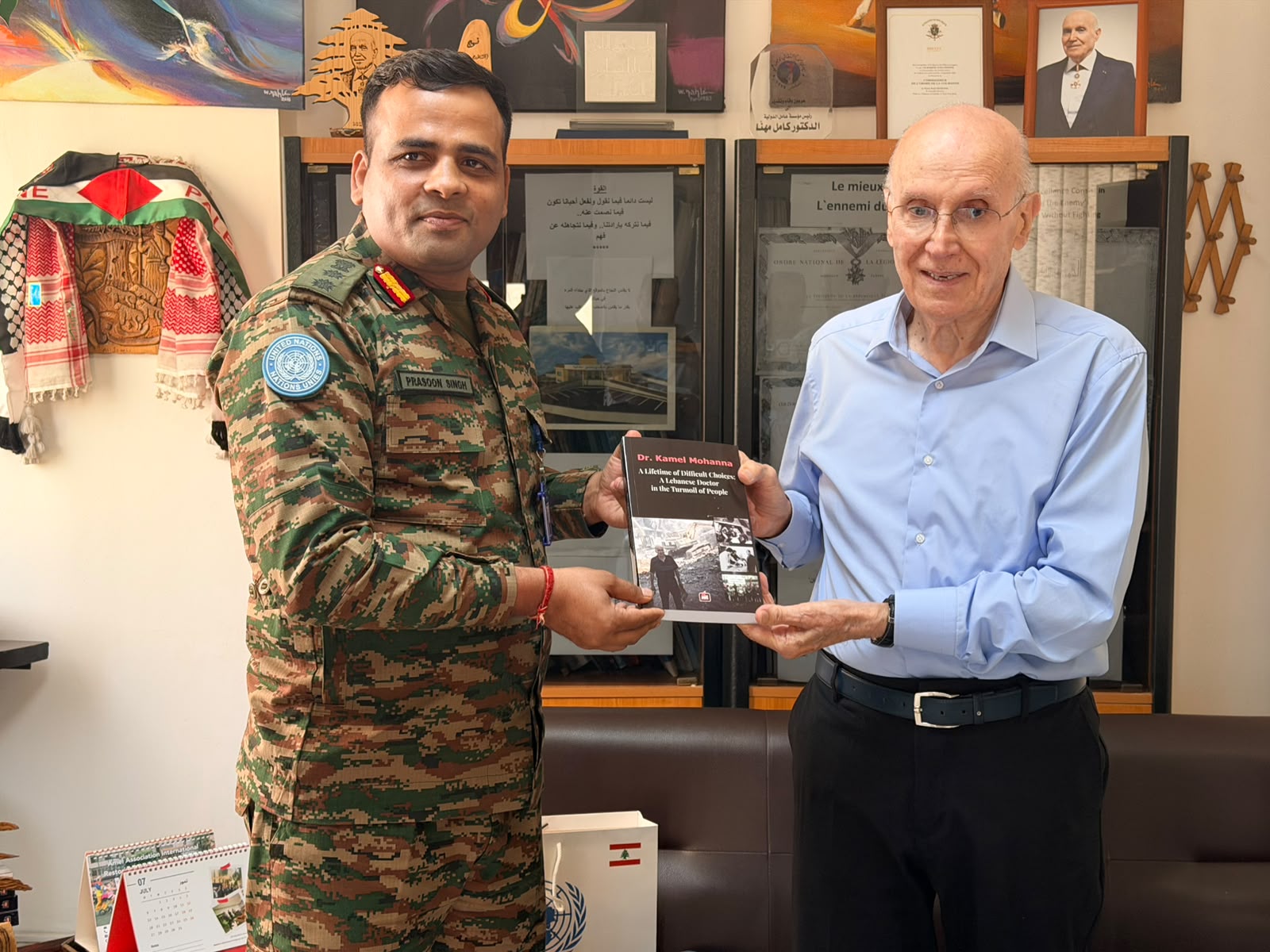
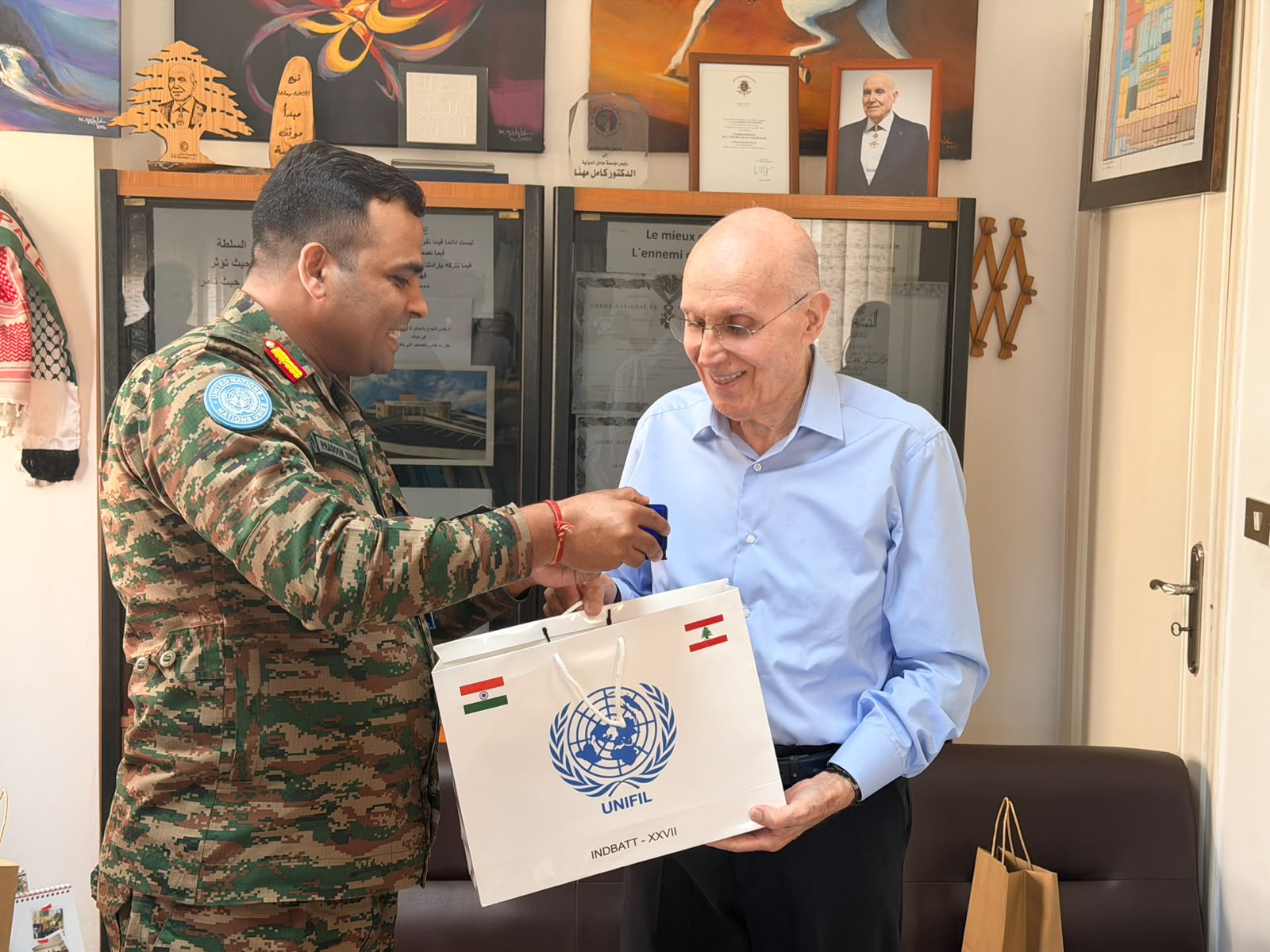
Dr. Kamel Mohanna, President of Amel Association International, welcomed a delegation from the Indian Battalion serving with the United Nations Interim Force in Lebanon (UNIFIL) at the organisation’s headquarters in Beirut. The delegation was headed by the Battalion Commander, Colonel Prasoon Singh.
The meeting was attended by Amel’s Health Programme Coordinator, Malak Khiami; Project Coordinator, Sarah Ghamlous; and Dr. George Assi, Director of Amel’s Terbol Centre.
Discussions focused on ways to strengthen cooperation and coordination between Amel Association International and the Indian Battalion, particularly within UNIFIL’s area of operations in South Lebanon. Special attention was given to supporting the health, social and development programmes implemented by Amel’s centres in Fardis and Arqoub, in response to the needs of local residents and the most vulnerable groups and to strengthen the resilience of communities affected by successive crises.
During the meeting, Dr. Mohanna presented the history of Amel Association International, which was founded in South Lebanon in 1979, and outlined its non-sectarian humanitarian approach based on safeguarding human dignity and ensuring equitable access to fundamental rights.
He also presented the organisation’s main programmes and its network of centres across Lebanon, particularly those providing primary health care, protection, education, economic empowerment, vocational training and emergency response services.
The meeting addressed in particular the role of Amel’s Fardis Development Centre, headed by Naziha Khafaja, since its establishment in 2008 in cooperation with the Municipality of Fardis and UNICEF, under the supervision of the Lebanese Ministry of Public Health.
The centre provides primary health care services and health and social awareness sessions, along with vocational training and economic empowerment programmes designed to improve livelihoods and strengthen families’ ability to cope with difficult economic and social conditions.
The centre also implements initiatives supporting women and the most vulnerable groups in entrepreneurship, accounting, marketing, food processing, handicrafts and recycling. A total of 348 women have benefited from its training, production and economic empowerment programmes, including specialised programmes that have helped women develop their skills and strengthen their participation in local economic activities.
The Amel delegation also highlighted the vital role played by the Amel Health and Development Centre in Arqoub, managed in cooperation with the Zakat Fund’s Arqoub, Hasbaya and Marjayoun branch. Located in the town of Kfarhamam and directed by Fadia Nasser, the centre supports local communities in one of Lebanon’s most sensitive border areas. Today, it serves as a key hub for delivering health, humanitarian and development services to residents across the Arqoub region.
The centre serves 14 villages across the Hasbaya District in the Nabatieh Governorate, helping improve access to essential health care for residents of rural and remote communities. Its activities include preventive health care, medical follow-up, awareness-raising and facilitating dignified access to care, particularly in underserved areas facing recurring economic and security challenges.
The Arqoub Centre also plays an important role in supporting the most vulnerable families and strengthening social cohesion and community resilience in an area affected by isolation, displacement and regional tensions. It works closely with residents and local stakeholders to develop capacities and implement development initiatives tailored to the region’s needs and priorities.
Both sides emphasised the importance of developing concrete areas of cooperation between the Indian Battalion and Amel’s centres in Fardis and Arqoub, particularly in health services, community awareness, capacity-building and support for women and young people. They also discussed implementing quick-impact projects that respond to the actual priorities of local communities in South Lebanon.
The Indian Battalion delegation stressed the importance of maintaining regular communication with civil society organisations and local stakeholders, listening to residents’ needs and strengthening relations between peacekeepers and the communities in which they serve.
The delegation also expressed its appreciation for the role of Amel Association International in serving local residents and improving access to health care, protection and empowerment programmes in the areas of greatest need.
For his part, Dr. Kamel Mohanna praised UNIFIL’s continued support for local communities in South Lebanon and the contribution of its units, including the Indian Battalion, to the provision of health, social and humanitarian services and initiatives.
Dr. Mohanna emphasised the importance of UNIFIL continuing its work across various areas alongside its core responsibilities, particularly in the humanitarian and development fields. He affirmed that cooperation between local institutions and the United Nations can help address residents’ needs and strengthen their resilience.
“Protecting people and safeguarding their dignity require bringing together human security, development and social justice. We therefore greatly appreciate UNIFIL’s engagement with local communities and its support for initiatives responding to their needs. We look forward to developing practical cooperation with the Indian Battalion, particularly through Amel’s centres in Fardis and Arqoub,” Dr. Mohanna said.
He added: “The people of South Lebanon have remained deeply attached to their land and have endured decades of war, occupation, displacement, and economic and social crises. All concerned parties have a responsibility to stand by them, not only through emergency response, but also through sustainable development programmes that uphold their rights to health, education, work and a life of dignity.”
The meeting formed part of UNIFIL’s civil engagement and coordination with local authorities, civil society organisations, and humanitarian and development agencies operating in South Lebanon.
Although UNIFIL is not a humanitarian or development agency, its units have played a supporting role in addressing some of the humanitarian consequences of war and occupation since its deployment in South Lebanon in 1978, drawing on the medical, technical and engineering expertise of its peacekeepers.
These contributions have included medical, dental and veterinary services, training and awareness-raising activities, and quick-impact projects implemented in coordination with local authorities and civil society organisations.
The meeting concluded with an agreement to continue consultations to identify shared priorities and develop practical initiatives through Amel’s centres in Fardis and Arqoub. These initiatives aim to improve access to health and social services, support the economic empowerment of women and young people, strengthen partnerships with local communities, and contribute to more sustainable development in South Lebanon.

 Creative Commons Attribution 4.0 International license


