




President of Amel Association International calls for rebuilding social bonds in Lebanon and solidarity with the rights of the Palestinian people
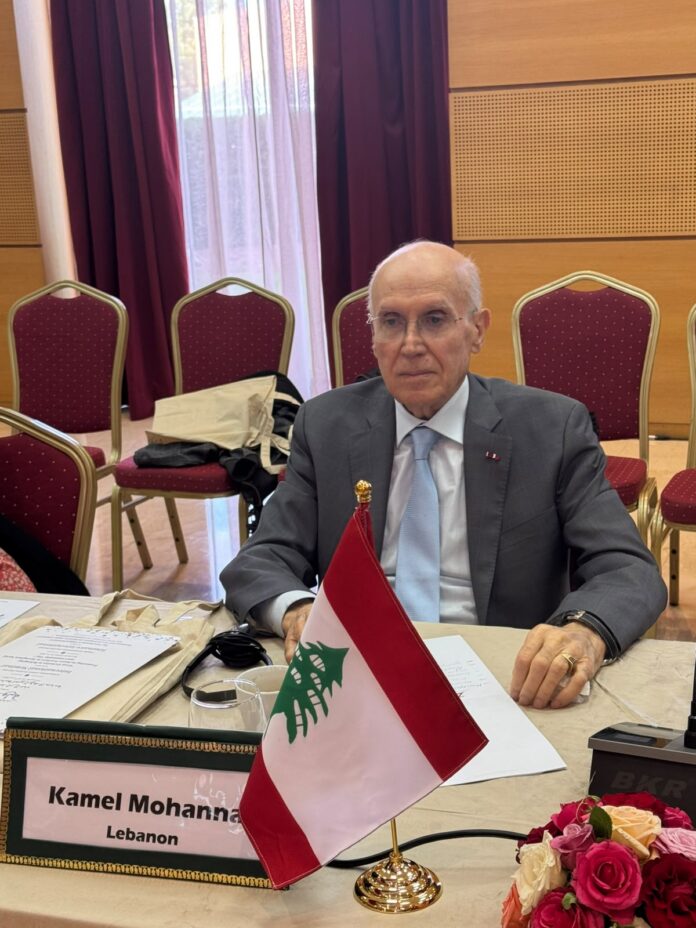
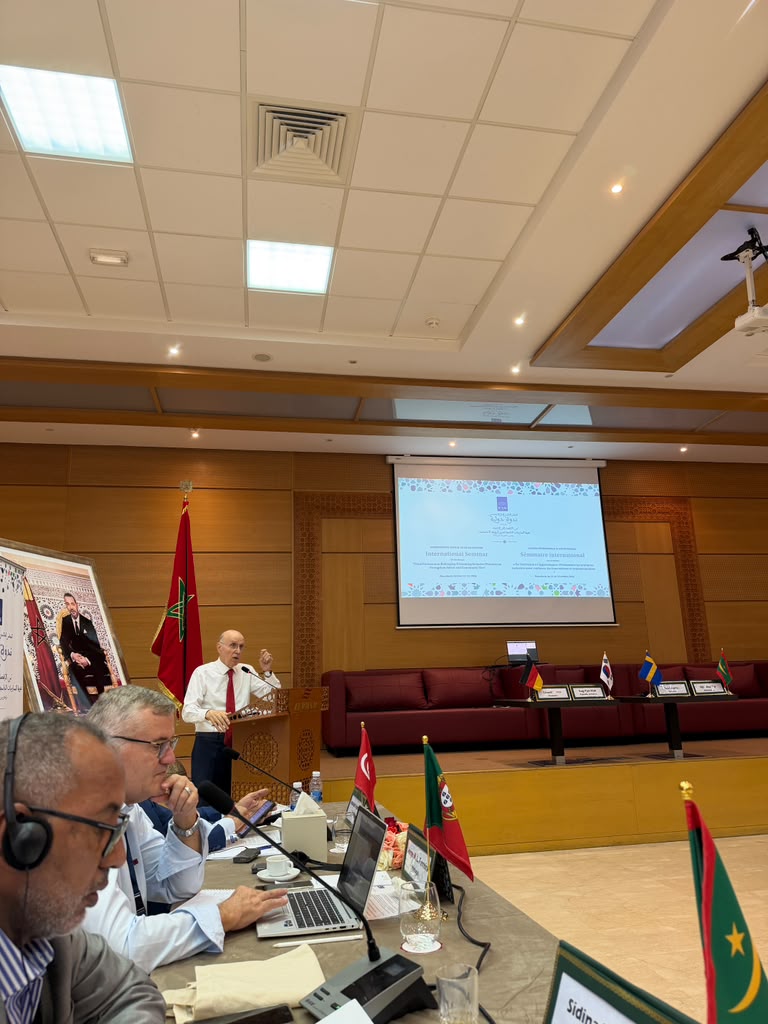
Dr Kamel Mohanna, President of Amel Association International and General Coordinator of the Lebanese and Arab Network of Voluntary Organizations, took part in the international symposium organized by the International Council on Social Welfare (ICSW) in Marrakech, Morocco, from 22 to 24 October 2026, under the title “From Exclusion to Belonging: Strengthening Inclusive Practices to Foster Social Bonds.”
The symposium brought together representatives and experts from Arab, European and Asian countries to exchange experiences in addressing marginalization and social isolation, promoting citizenship and human dignity, and developing policies and practices that respond to the needs of groups most at risk of exclusion.
Mohanna delivered a presentation entitled “From Exclusion to Citizenship: People as Partners in Building Social Protection,” in which he outlined Amel Association International’s experience in providing health and social services as spaces for dignity, participation and belonging.
Mohanna said: “Exclusion does not always begin with a door closed in someone’s face. It may begin with a hospital bed they cannot afford, medicine they are unable to buy, or a feeling of being invisible in the society in which they live.”
He stressed that tackling exclusion requires a shift from a charity-based approach to a rights-based approach that recognizes people as partners in setting priorities and developing solutions. He added: “The strongest society is not the one with the largest number of beneficiaries, but the one with the largest number of active participants able to help shape solutions.”
 Lebanon: Reconstruction Begins with People
Mohanna outlined the humanitarian and social consequences of the war, Israeli attacks, displacement and the destruction of villages, homes and livelihoods in a country where economic and social crises had already weakened many residents’ ability to access their basic rights.
He emphasized that rebuilding Lebanon, particularly the south and other affected areas, cannot be reduced to reconstructing buildings. It must also encompass restoring people’s rights, security and dignity, repairing social bonds, and guaranteeing residents’ right to return to and remain on their land.
He warned that any discussion of social cohesion remains incomplete if it overlooks the role of wars, occupation and forced displacement in breaking communities apart and excluding people. He called for respect for international law and the protection of civilians, and urged the international community to fulfil its responsibilities in confronting attacks and violations without double standards.
Mohanna reviewed Amel Association International’s experience since 1979 in establishing health and social centres that welcome people on an equal basis, beyond sectarian, social and regional divisions.
He said: “Belonging is not imposed on people through rhetoric; it is built with them through practice.” He reaffirmed the principles underpinning the association’s work: “Solidarity, not pity; rights, not privileges; partners, not guardians.”
The Marrakech Declaration: Belonging and Social Protection at the Heart of Public Policy
The symposium concluded with the adoption of the “Marrakech Declaration,” which called for social isolation and exclusion to be treated as central public policy issues, and for the development of national and local strategies that strengthen social cohesion and ensure equitable access to health care, education, housing and social protection.
The declaration also stressed the need to involve local communities and people affected by marginalization in decision-making, and to strengthen partnerships among governments, civil society, universities and institutions concerned with social development.
These priorities aligned with Mohanna’s call to develop assistance and services within policies that address the causes of marginalization and enable people to participate in decisions affecting their lives.
Mohanna concluded his presentation by saying: “The transition from exclusion to belonging is not merely a project to integrate those whom society has left on its margins. It is a project to rebuild society itself so that it does not create those margins in the first place.” He added that institutions and states have a responsibility to protect people when they are harmed, while also working to build a world in which people are less likely to be failed.
Cross-Border Solidarity for Palestine and Lebanon
On the sidelines of the symposium, Mohanna met human rights advocates and civil society actors from various countries to discuss ways to strengthen solidarity and cooperation in defence of freedom, justice and human dignity.
He stressed the need to unite the efforts of human rights, humanitarian and progressive forces in support of peoples’ causes, foremost among them the Palestinian cause, and to confront double standards and the declining respect for international law.
He affirmed that the abuses inflicted on the Palestinian people, particularly in Gaza, and the Israeli attacks on Lebanon demand a humanitarian response and an international stance that place rights, justice and accountability at the centre of their priorities.
Mohanna said: “True solidarity among peoples is measured not by the extent of sympathy for their tragedies, but by the ability to unite efforts to confront the causes of injustice, uprooting and exclusion.” He called for stronger cooperation among human rights and humanitarian institutions and movements in defence of Palestine, Lebanon and shared human values.

 Creative Commons Attribution 4.0 International license


